
- All
- Product Name
- Product Keyword
- Product Model
- Product Summary
- Product Description
- Multi Field Search

Views: 168 Author: Site Editor Publish Time: 2026-04-22 Origin: Site
Most people never notice geotextile fabric, yet many roads, drains, and landscapes depend on it every day. It sits out of sight, but it helps keep soil stable, water moving, and surfaces performing well over time. So, what is geotextile fabric, and why does it matter so much in modern projects? It is a permeable textile used alongside soil, stone, and other ground materials to improve stability, drainage, and separation in many construction and landscaping applications.
In this article, we will explain what geotextile fabric is, how it works, and where it is commonly used. You will also learn about its main types, key benefits, and how to choose the right option for your project.
Geotextile fabric is a synthetic, permeable material typically made from polypropylene or polyester fibers. It is designed to interact directly with soil and aggregates. Unlike plastic sheets, it allows water to pass through while maintaining structural separation between layers. This fabric comes in various thicknesses, strengths, and textures depending on the application. Engineers rely on it because it performs multiple roles at once. It can separate soil layers, filter water, reinforce weak ground, and protect underlying materials.
Because of this versatility, geotextile fabric has become a standard component in civil engineering and environmental projects. It is not just a supporting material—it actively improves how systems perform over time.
Below the surface, geotextile fabric acts like a smart interface between materials. It sits between soil, gravel, or sand layers and controls how they interact. Without it, these layers would mix under pressure or water movement, leading to structural failure.
Its main functions include:
● Separation of materials
● Filtration of water
● Drainage support
● Reinforcement of soil
● Protection of structures
Each function works together to improve durability and performance. For example, in a road system, it keeps the base layer stable while allowing water to drain away, reducing long-term damage.
Modern construction demands materials that improve efficiency and reduce maintenance. Geotextile fabric does both. It prevents soil from shifting, increases load-bearing capacity, and manages water flow.
This is especially important in areas with weak soil or high moisture. Without geotextiles, structures in these conditions would fail much faster. Manufacturers such as LEEBO focus on producing durable polyester-based fabrics that meet these demands. Their continuous development in materials and processes helps ensure consistent performance across different environments.
You may already use geotextile fabric without realizing it. It appears in many everyday applications, both simple and advanced.
Application Area | How It Is Used | Benefit |
Gardening | Weed barrier under soil | Prevents unwanted growth |
Driveways | Base layer under gravel | Reduces sinking |
Drainage systems | Wrapped around pipes | Prevents clogging |
Landscaping | Under decorative stones | Maintains clean separation |
These examples show how versatile the material is. It works at small scale and large scale equally well.
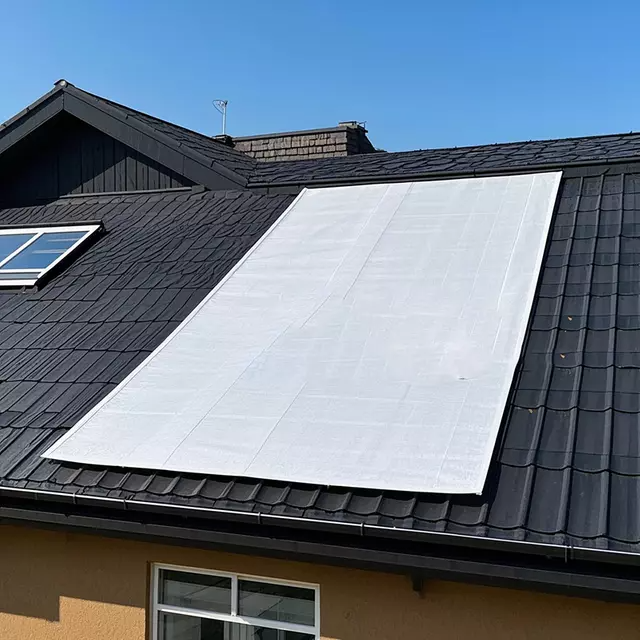
Separation is one of the most important functions of geotextile fabric. When different soil layers mix, the structure above becomes unstable. For example, in road construction, gravel may sink into soft soil if there is no barrier. Geotextile fabric prevents this by acting as a stable dividing layer. It keeps each material where it belongs while still allowing water to move through. This helps maintain the strength of the base layer and extends the life of the structure.
Over time, this simple function can significantly reduce repair costs and improve durability.
Water is one of the main causes of soil instability. Geotextile fabric solves this by allowing water to pass through while holding soil particles in place.
This makes it ideal for drainage systems. For example, when used in a trench or wrapped around a pipe, it prevents sediment from entering and clogging the system. At the same time, it ensures smooth water flow.
In high-performance drainage setups, materials like Coarse Denier Nonwoven geotextile fabric are often used. Their thicker fibers create strong filtration while maintaining excellent permeability, making them ideal for demanding drainage conditions.
Geotextile fabric can also strengthen weak soil. When placed between layers, it distributes loads more evenly. This reduces pressure on soft ground and prevents deformation.
In applications like embankments or retaining walls, this reinforcement improves overall stability. It works in a similar way to steel in concrete—adding strength without changing the basic structure. This function is especially useful in areas where soil conditions are poor or inconsistent.
Another key function is protection. Geotextile fabric acts as a buffer layer that shields materials from damage. In landfill systems, it protects liners from puncture. On slopes, it reduces erosion caused by water or wind. In drainage systems, it prevents abrasive particles from damaging pipes. This protective role ensures that critical components last longer and perform better under stress.
Tip: When working in high-flow drainage areas, choose a fabric that balances filtration and durability to avoid long-term clogging.
Woven geotextile fabric is made by weaving fibers together in a structured pattern. This process creates a strong and durable material with high tensile strength. Because of its strength, it is commonly used for reinforcement and separation. It performs well in road construction, parking lots, and areas with heavy loads.
However, its tighter structure means lower permeability. That makes it less suitable for applications where fast water flow is required.
Non-woven geotextile fabric is created by bonding fibers together using mechanical or thermal processes. It has a felt-like appearance and a more open structure.
This design allows for better water flow, making it ideal for filtration and drainage. It is widely used in drainage systems, landscaping, and erosion control.
Advanced versions, such as coarse denier nonwoven fabrics, offer improved strength and durability while maintaining high permeability. These are often chosen for projects where both filtration and structural support are needed.
Beyond basic woven and non-woven types, there are specialized variations designed for specific tasks. These include needle-punched, heat-bonded, monofilament, and slit film fabrics. Each variation provides a different balance of strength, flexibility, and permeability. Some focus on filtration, while others prioritize reinforcement.
Suppliers like LEEBO invest in process innovation and recycled polyester technology to improve performance and sustainability. This helps ensure consistent quality across a wide range of applications.
Woven geotextile fabric is the right choice when strength is the priority. It is commonly used in applications where the material must support heavy loads.
Typical uses include:
● Road foundations
● Embankments
● Industrial surfaces
In these cases, its high tensile strength helps maintain structural integrity over time.
Non-woven geotextile fabric is best suited for filtration and drainage. Its open structure allows water to flow easily while trapping soil particles.
It is often used in:
● Drainage trenches
● Landscaping projects
● Erosion control systems
This type is especially useful in environments where water movement plays a major role.
Choosing between woven and non-woven geotextile fabric comes down to the main function of your project.
Project Need | Recommended Type |
Load support | Woven |
Drainage | Non-woven |
Soil separation | Woven or non-woven |
Filtration | Non-woven |
Think about whether strength or permeability matters more. That decision will guide your choice.
In road construction, geotextile fabric prevents the base layer from mixing with the soil below. This keeps the structure stable and reduces sinking over time. It also helps distribute loads more evenly across the surface, which improves performance under constant traffic pressure. As a result, roads last longer, stay smoother, and require less maintenance over time.
In drainage systems, geotextile fabric acts as a reliable filter layer. It allows water to pass through while blocking sediment and fine particles. This prevents clogging and ensures consistent water flow in different conditions. It is commonly used in French drains, trench systems, and pipe wrapping to improve efficiency and reduce long-term maintenance needs.
Erosion can damage slopes, embankments, and shorelines over time. Geotextile fabric helps stabilize these areas by holding soil in place and reducing surface movement. It works by limiting the impact of water flow and wind while still allowing vegetation to grow through naturally. This combination provides long-term protection and helps restore natural ground stability.
In landscaping, geotextile fabric is often used as a weed barrier under soil or decorative layers. It prevents unwanted growth while allowing water and nutrients to reach the soil below. In agriculture, it improves soil structure, supports better drainage, and helps maintain consistent growing conditions, which leads to healthier plant development.
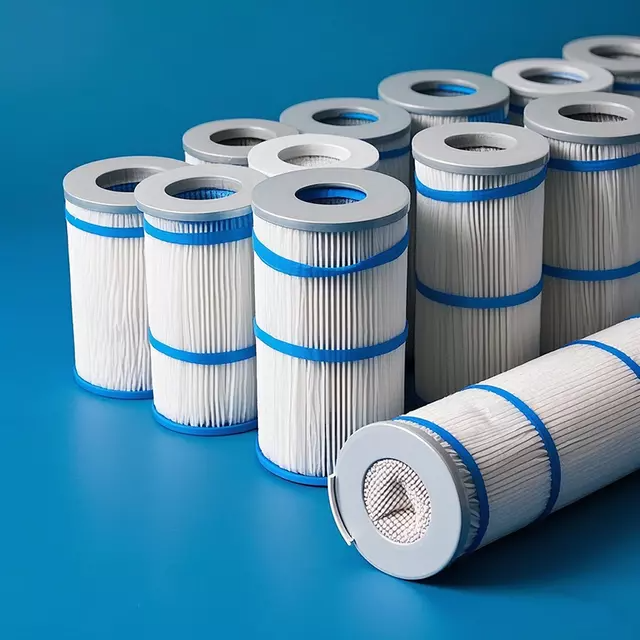
Geotextile fabric offers several important advantages in construction and environmental projects. It improves how soil behaves, manages water flow, and ensures long-term system performance. These benefits make it a reliable solution for both small-scale and large-scale applications. The table below highlights its key advantages and how they contribute to overall project success.
Benefit | How It Works | Practical Value |
Improved soil stability | Strengthens soil structure and limits movement under pressure | Enhances foundation performance and supports weak or unstable ground conditions |
Efficient water management | Allows water to pass while retaining soil particles | Reduces water buildup and prevents damage caused by excess moisture |
Long-term durability | Resists chemicals, moisture, and biological degradation | Ensures long service life in demanding environments |
Consistent performance | Produced under strict quality control and advanced manufacturing processes | Provides reliable results across different applications |
Manufacturers like LEEBO emphasize advanced production systems and strict quality standards. This helps ensure that each geotextile fabric product delivers stable performance over time, even in challenging conditions.
Note: Always check material specifications to match durability requirements with project lifespan.
Start by defining your goal clearly before selecting any material. Do you need separation, drainage, reinforcement, or protection? This step will narrow down your options quickly and prevent confusion later. A clear purpose helps you avoid over-specifying or underperforming materials in your project.
Consider key properties such as permeability, tensile strength, and thickness. Different environments require different performance levels. For example, wet conditions may require higher permeability, while heavy loads demand stronger materials. Matching these factors properly ensures the geotextile fabric performs consistently under real site conditions.
Each project has unique needs and environmental challenges. A driveway, drainage system, and slope stabilization project will all require different types of geotextile fabric. Understanding these differences helps avoid costly mistakes and improves long-term results. Always evaluate soil type, load conditions, and water exposure before making a decision.
Before making a final choice, ask a few key questions:
● What type fits my application best?
● Do I need strength or filtration performance?
● What conditions will it face over time?
These questions ensure you choose a product that performs well in your specific situation and delivers reliable results throughout its service life.
Geotextile fabric is a versatile material used in many modern construction and environmental projects. It helps separate soil layers, control water flow, and improve ground stability. By supporting filtration, drainage, reinforcement, and protection, it plays a key role in maintaining long-term system performance. From roads and drainage systems to landscaping and agriculture, it improves durability and reduces maintenance needs. Once you understand your project goals, choosing the right geotextile fabric becomes much easier. The correct type ensures better results and more reliable performance over time.
Companies like LEEBO Environmental Protection Materials Co., Ltd. offer advanced geotextile solutions designed for durability and consistency. Their products focus on quality materials and efficient manufacturing, helping deliver long-term value and dependable performance across different applications.
A: Geotextile fabric is a permeable material used between soil, gravel, or other layers. It helps with separation, filtration, drainage, reinforcement, and protection in construction and landscaping.
A: Geotextile fabric keeps soil and aggregate from mixing under pressure. It improves base stability, reduces sinking, and helps roads or driveways last longer.
A: Geotextile fabric lets water pass while holding back soil particles. This helps drainage pipes and trenches stay clear and work more efficiently over time.
A: Woven geotextile fabric is stronger and better for load support. Non-woven geotextile fabric is better for filtration and drainage because it has higher permeability.
A: Coarse Denier Nonwoven geotextile fabric is often used in demanding drainage and filtration projects. It offers strong durability, reliable water flow, and better resistance in tougher site conditions.
A: The price of geotextile fabric depends on type, weight, strength, and application. In many projects, it helps reduce repair and maintenance costs, so it often adds long-term value.


