
- All
- Product Name
- Product Keyword
- Product Model
- Product Summary
- Product Description
- Multi Field Search

Views: 126 Author: Site Editor Publish Time: 2026-05-01 Origin: Site
Is fiberglass just plastic, or something more advanced? Many people assume it is a simple material, yet that idea misses the full picture. In fact, fiberglass is a composite material, and that difference changes how we use it in real projects.
This question matters for engineers, builders, and buyers. They need materials that balance strength, weight, and durability. If we misunderstand fiberglass, we may choose the wrong solution for construction or manufacturing. In this article, we will explore why fiberglass is classified as a composite material. You will learn how it is structured, how it works, and why it performs so well across industries. By the end, you will clearly understand what makes fiberglass a reliable modern material.
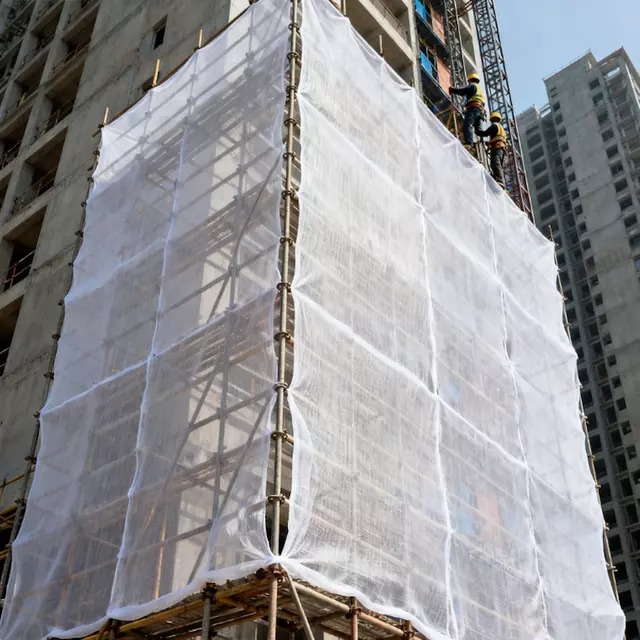
A composite material combines two or more distinct materials to improve performance. Each component keeps its own identity, yet they work together as one system. This cooperation creates properties that neither material could achieve alone.
In simple terms, we can think of it as layering strengths. One material adds structure, another adds flexibility or protection. Engineers rely on this concept to design materials for specific environments, especially where traditional materials fall short.
Fiberglass is not a simple material. It is carefully engineered from two core components that work together to deliver strength and stability. Each part plays a different role, yet they depend on each other to form a high-performance composite material.
Component | Role in Fiberglass | Key Contribution |
Glass Fibers (Reinforcement) | Structural backbone | Provide high strength and stiffness |
Polymer Resin (Matrix) | Binding and protective system | Holds fibers together and distributes load |
Together, these components create a unified structure. The fibers carry most of the stress during use. The resin keeps everything in place and shields the fibers from damage. This interaction is what defines fiberglass as a true composite material rather than a simple mixture.
On its own, glass is brittle. It can crack easily under stress. Plastic, on its own, is flexible but often lacks strength.
When combined, they solve each other’s weaknesses:
● Glass fibers add strength
● Resin adds flexibility and shape
The result is a material that is both strong and workable. That is why fiberglass performs so well in demanding environments.
Glass fibers act as the backbone of fiberglass. They carry tensile loads, which means they resist pulling forces very effectively.
These fibers are extremely thin but strong. When arranged in layers or woven forms, they distribute stress across the structure. This prevents cracks from spreading.
In products like Fiberglass Woven Cloth, fibers are interlaced in patterns. This improves strength in multiple directions, making the material suitable for structural applications.
The resin matrix plays a critical supporting role. It surrounds the fibers and locks them into place.
Its main functions include:
● Transferring loads between fibers
● Protecting fibers from moisture and chemicals
● Maintaining the shape of the final product
Without the resin, the fibers would not work together. They would simply act as loose strands instead of a unified structure.
When we combine fibers and resin, we create a balanced system. The fibers handle strength, while the resin ensures durability and shape stability.
Below is a simple comparison:
Property | Glass Alone | Resin Alone | Fiberglass Composite |
Strength | High but brittle | Low | High and stable |
Flexibility | Low | High | Balanced |
Durability | Moderate | Moderate | High |
Weight Efficiency | Poor | Good | Excellent |
This combination explains why fiberglass performs well in demanding applications.
Manufacturers can adjust fiberglass properties based on application needs. They control:
● Fiber orientation
● Resin type
● Layer thickness
For example, using Fiberglass Woven Cloth allows precise control over strength direction. This is useful in panels, tanks, and structural components. Companies like LEEBO, founded in 2002, focus on refining these processes. Through continuous research and upgraded production systems, they improve material consistency and performance. Their approach shows how modern manufacturing elevates fiberglass into a highly reliable composite material.
Note: Choosing the right fiber pattern and resin system can significantly improve product lifespan and performance in demanding environments.
Fiberglass is not just a polymer. While it contains polymer resin, it also includes glass fibers as reinforcement. These two elements work together, but they serve very different purposes inside the structure.
This combination makes it a composite material, not a single-type substance. The polymer acts as a binder and support system, while the fibers handle most of the mechanical stress. So, the polymer is only one part of the system, not the complete material itself.
Reinforced plastic is actually a category within composite materials, not a separate concept. Fiberglass clearly falls into this category because it uses fibers to strengthen a plastic matrix.
It is often referred to as:
● Glass Fiber Reinforced Plastic (GFRP)
● Fiber-reinforced composite
These names describe the same structure from different angles. So, fiberglass is both reinforced plastic and a composite material, depending on how we define it.
Fiberglass is much closer to carbon fiber than to standard plastic in both structure and performance. Both materials are engineered composites designed for strength and efficiency.
They share key features:
● Reinforced composite structure
● Optimized strength-to-weight ratio
Traditional plastic does not include reinforcement. It lacks the internal structure that defines a composite material, which limits its strength and durability in demanding applications.
Fiberglass comes in several reinforcement forms:
● Woven fabrics
● Chopped strand mats
● Continuous rovings
● Fiberglass Woven Cloth
Each form offers different strength characteristics. Woven cloth, for example, provides balanced strength in two directions, making it ideal for panels and laminates.
Resin selection affects how the material behaves under stress or exposure. Different systems offer different advantages:
Resin Type | Key Feature | Typical Use Case |
Polyester | Cost-effective | General construction panels |
Vinyl Ester | Chemical resistance | Tanks and pipelines |
Epoxy | High strength and bonding | Aerospace and high-performance |
Choosing the right resin ensures the composite material performs as expected.
By adjusting fiber type and resin, manufacturers can tailor fiberglass for specific uses.
For example:
● Marine applications require corrosion resistance
● Structural parts need higher strength
● Electrical components require insulation
This flexibility is one of the biggest advantages of fiberglass as a composite material.
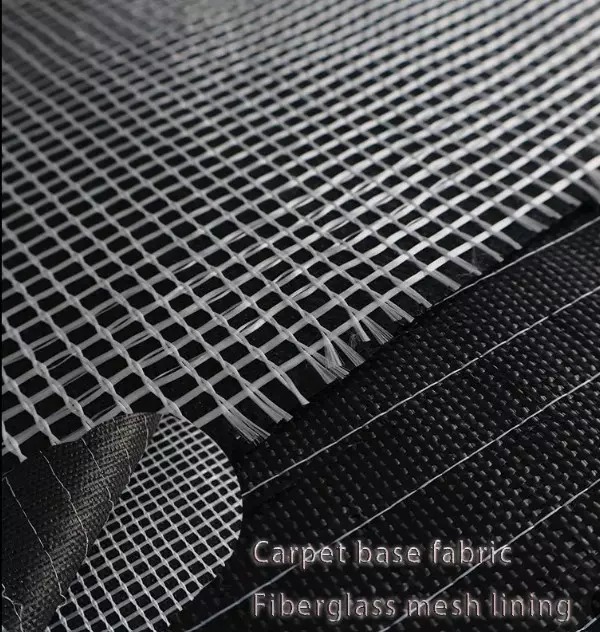
Fiberglass is widely used because it combines several performance advantages into one reliable composite material. Instead of relying on a single property, it delivers a balanced mix of strength, durability, flexibility, and insulation. This makes it suitable for many industries where traditional materials struggle to perform consistently.
Key Advantage | What It Means in Practice | Typical Applications |
Strength-to-Weight Performance | High strength without adding excess weight | Vehicles, structural panels, housings |
Corrosion Resistance & Durability | Resists moisture, chemicals, and outdoor exposure | Marine parts, industrial equipment |
Design Flexibility | Can be molded into complex or customized shapes | Curved panels, integrated structures |
Electrical & Thermal Insulation | Does not conduct electricity easily and helps regulate heat | Electrical systems, controlled spaces |
These advantages explain why fiberglass remains a preferred composite material across construction, transportation, and industrial environments. It delivers long-term stability while reducing maintenance and operational costs.
Tip: In humid or chemically aggressive environments, fiberglass often maintains performance longer than metal or wood.
Fiberglass is widely used in construction because it offers long-term stability and resistance to environmental damage. It is commonly found in:
● Wall panels
● Roofing systems
● Structural reinforcements
Its resistance to moisture and corrosion makes it reliable for long-term use, especially in buildings exposed to changing weather conditions or high humidity.
In marine environments, fiberglass is a top choice due to its durability and water resistance. It is widely used in:
● Boat hulls
● Deck structures
● Automotive body panels
Its lightweight nature improves fuel efficiency and handling. At the same time, it maintains enough strength to withstand continuous exposure to water and mechanical stress.
Fiberglass is also widely used in industrial and commercial settings where conditions can be harsh. Common applications include:
● Storage tanks
● Industrial grating
● Equipment housings
It performs well in environments with chemicals, moisture, or heavy usage, where other materials may degrade faster or require frequent replacement.
Leading manufacturers like LEEBO combine advanced production lines and strict quality control systems. They also focus on environmentally responsible processes, including the use of certified materials and waste reduction strategies.
This approach ensures that fiberglass-based composite material products meet high standards for durability, consistency, and performance across different industries and applications.
Fiberglass is clearly a composite material built from glass fibers and resin working together. This structure creates a material that feels strong, stays lightweight, and performs reliably over time. It is not just glass or plastic, but an engineered solution designed for modern needs.
This classification helps explain its wide use across construction, transportation, and industrial environments. It offers stability, durability, and flexibility in demanding conditions where traditional materials often fail. Companies like LEEBO Environmental Protection Materials Co., Ltd. enhance this value through advanced production and strict quality control. Their fiberglass products, including high-performance woven materials, deliver consistent strength, adaptability, and long-term efficiency for various applications.
A: Fiberglass is a composite material, not just plastic. It combines glass fibers for strength and resin for bonding, which gives it better durability, stiffness, and weight efficiency than standard plastic.
A: It is called a composite material because it joins two distinct elements—glass fibers and polymer resin. They keep different roles, yet work together to create stronger overall performance.
A: Fiberglass Woven Cloth strengthens the composite material by giving it balanced reinforcement in multiple directions. It also helps improve surface consistency and structural stability in laminated products.
A: In a composite material system, fiberglass is made from glass fiber reinforcement and a resin matrix such as polyester, vinyl ester, or epoxy. This combination creates a lightweight but durable structure.
A: Fiberglass works well because it offers strength, corrosion resistance, and design flexibility. As a composite material, it performs reliably in construction, transportation, marine, and industrial uses.
A: Cost depends on weave style, resin compatibility, and performance needs. Still, Fiberglass Woven Cloth often provides strong value because it improves strength, reduces maintenance, and supports long service life.


