
- All
- Product Name
- Product Keyword
- Product Model
- Product Summary
- Product Description
- Multi Field Search

Views: 130 Author: Site Editor Publish Time: 2026-05-09 Origin: Site
Can a fabric really let water pass through and still hold soil in place? It sounds unlikely at first, yet this is exactly why geotextile fabric is used in so many drainage and construction projects. It helps manage water flow while protecting the structure around it.
If you are planning a road base, drainage trench, or landscaping system, this question matters early. Most geotextile fabric is made to support drainage, not block it. Water moves through it, while soil stays more stable and controlled.
In this article, we will discuss how geotextile fabric works, why some types drain better than others, and what affects its real performance. You will also learn how product quality, including options from manufacturers like LEEBO, can influence results.
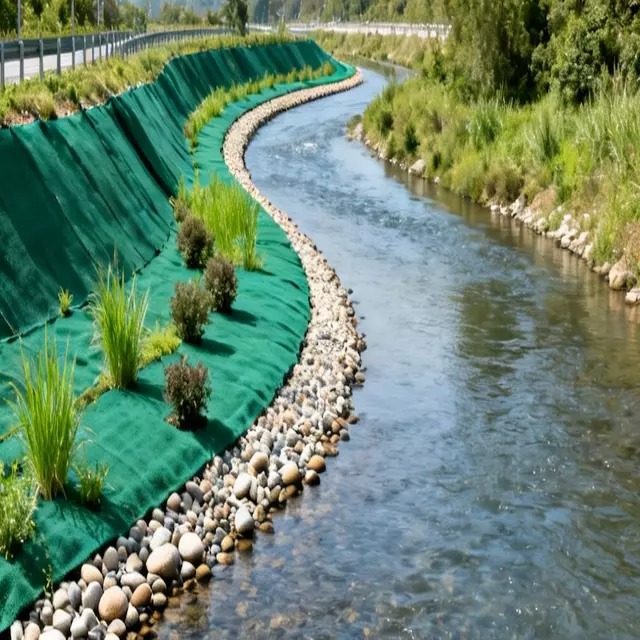
Geotextile fabric is built to handle water movement. It allows water to pass through its structure while stopping soil from moving. This makes it essential in systems where drainage is important. You will see it used under roads, behind walls, and inside drainage trenches.
● It lets water escape from soil layers
● It keeps different layers separated
● It helps maintain long-term stability
In simple terms, it keeps things dry without losing structure.
Many people confuse geotextile fabric with materials like plastic sheeting or geomembranes. Those materials block water completely. Geotextile fabric does the opposite.
It’s used in situations where water movement is necessary. For example, in landscaping, weed barrier fabric still allows water and air to reach plant roots. In construction, it prevents water buildup rather than trapping it.
Understanding this difference helps you choose the right material for your project.
The key lies in filtration. The fabric has tiny openings that allow water molecules to pass but restrict larger soil particles.
This means:
● Water drains efficiently
● Soil erosion is reduced
● Structural layers remain separated
This function is critical in slope protection, road construction, and drainage systems.
Permeability plays a critical role in many real-world applications where water control directly affects stability and performance. Geotextile fabric is widely used in these scenarios because it allows water to move freely while maintaining soil structure. Below are some of the most common applications where this function becomes essential:
Application Area | How Geotextile Fabric Is Used | Why Water Flow Matters |
French Drains | Placed around drainage pipes and gravel | Guides water away and prevents system clogging |
Retaining Walls | Installed behind the wall structure | Relieves water pressure and improves stability |
Road Bases | Laid between soil and aggregate layers | Prevents water buildup and base weakening |
Slopes | Applied over soil surfaces | Controls erosion while allowing drainage |
Not all geotextile fabric allows water through at the same rate. Some types allow fast drainage, while others slow it down for better control. This controlled permeability is important. Too much flow can wash away fine particles. Too little can trap water. The goal is balance.
Geotextile fabric contains microscopic openings formed during manufacturing. These pores act like channels, guiding water through the material.
In products like Stitchbonded Fabric, fibers are mechanically bonded in a way that creates stable and uniform openings. This helps maintain consistent flow rates across the entire surface.
The size and distribution of these pores determine how easily water can pass.
Water doesn’t just move in one direction. Depending on installation, it can flow:
● Vertically downward into the soil
● Horizontally across layers
This flexibility makes geotextile fabric useful in complex drainage systems. For example, behind a retaining wall, water may move sideways before exiting the system.
The reason geotextile fabric can separate water from soil lies in its filtration design. It is engineered to balance permeability and retention by controlling the relationship between pore size and soil particle size. This allows water to move through efficiently while keeping the soil structure stable.
Element | Behavior in Geotextile Fabric | Resulting Effect |
Water | Passes easily through pore openings | Ensures smooth drainage flow |
Soil particles | Blocked by smaller pore structure | Prevents soil loss and displacement |
Filtration system | Matches pore size to soil particle size | Maintains long-term performance |
Drainage system | Stays free from clogging | Improves durability and efficiency |
Consistency matters. If pore size varies too much, performance becomes unpredictable.
Manufacturers like LEEBO invest in process control, fiber selection, and production technology to ensure uniform structure. This leads to reliable permeability across large installations, which is critical for infrastructure projects.
Non-woven geotextile fabric has a felt-like structure. Fibers are bonded randomly, creating a highly porous material.
This allows water to pass through quickly, making it ideal for:
● Drainage systems
● Filtration layers
● Subsurface water management
Its high flow rate makes it a common choice when rapid drainage is required.
Woven geotextile fabric is made by interlacing fibers in a regular pattern. This creates smaller, more controlled openings. Water still passes through, but at a slower and more regulated rate. This is useful in projects where both strength and drainage are needed, such as road reinforcement.
Choosing between woven and non-woven depends on the project. You need to think about water flow and strength at the same time.
Feature | Non-Woven Geotextile Fabric | Woven Geotextile Fabric |
Water flow speed | High | Moderate |
Filtration ability | Strong | Controlled |
Strength | Moderate | High |
Common use | Drainage systems | Reinforcement projects |
In simple terms, non-woven geotextile fabric is better for fast drainage, while woven geotextile fabric is better when strength and controlled flow are both required. Choosing the right one helps improve system performance and long-term stability.
The structure of the fabric directly affects permeability. Larger pores allow more water flow, while smaller pores improve filtration and control soil movement more effectively. A well-designed structure ensures that water moves freely without carrying unwanted particles. Choosing the right balance helps achieve both efficient drainage and strong soil retention over time.
Different soils behave differently under water flow. Fine clay requires smaller pore sizes to prevent blockage, while sandy soils allow for larger openings and faster drainage. If the fabric does not match the soil type, performance can drop quickly. Matching the fabric to the soil improves filtration, maintains flow efficiency, and reduces the risk of clogging in long-term use.
Heavier fabrics often show different flow characteristics compared to lighter ones. Installation also plays a key role in real performance. Improper placement, folding, or excessive compaction can restrict water movement and reduce effectiveness. Careful handling and correct installation ensure the fabric performs as designed in actual site conditions.
Tip: Always match fabric specifications to both soil type and installation conditions for best results.
When water builds up behind structures, it creates pressure over time. This pressure can weaken walls, shift foundations, and lead to cracks or failure in severe cases. Geotextile fabric allows water to escape in a controlled way, which helps reduce this pressure. As a result, structures remain more stable and perform better under long-term load conditions.
Proper filtration is essential to keep drainage systems working efficiently over time. Without a protective layer, soil particles can easily enter the system, causing blockages and reducing water flow. Geotextile fabric plays a key role by separating soil from drainage layers while still allowing water to pass through smoothly.
Function | How Geotextile Fabric Works | Resulting Benefit |
Soil control | Blocks soil particles from entering | Prevents clogging in drainage layers |
Water movement | Allows water to flow through freely | Maintains efficient drainage |
System durability | Reduces internal contamination | Extends system lifespan |
By combining filtration and permeability, geotextile fabric helps drainage systems stay clean, efficient, and reliable over long periods.
Modern construction projects often focus on durability and sustainability. High-quality geotextile fabric helps extend the service life of infrastructure while reducing material waste and maintenance frequency. It supports efficient water management, which lowers long-term costs. Manufacturers like LEEBO also focus on environmentally responsible production methods, adding extra value through better material performance and reduced environmental impact.
Geotextile fabric is not designed to block water completely. Its main function is to allow controlled water movement while keeping soil stable. This makes it very different from waterproof materials that seal off moisture entirely. If your project requires full water containment, geotextile fabric alone will not meet that need and another solution must be considered.
If you need to stop water completely, you should use geomembranes. These materials are engineered to create a sealed barrier and prevent any water passage. They are commonly used in:
● Ponds
● Landfills
● Containment systems
In these cases, blocking water is critical to prevent leakage or contamination, so impermeable materials are the better choice.
Even in waterproof systems, geotextile fabric still plays an important supporting role. It is often placed around or above membranes to improve system performance and extend service life.
● It prevents damage to liners
● It distributes pressure evenly
● It improves overall system durability
This combination helps protect the waterproof layer while managing surrounding water flow more effectively.
Note: It supports waterproofing systems but does not replace them, and should always be used as a complementary layer rather than a primary barrier.
Choosing the right geotextile fabric depends on your project’s main goal. You need to consider whether drainage or structural strength is more important. Different types of geotextile fabric are designed to perform better in specific conditions, so selecting the right one improves overall efficiency and durability.
Fabric Type | Best Use Scenario | Typical Applications | Key Benefit |
Non-Woven Geotextile Fabric | Drainage-focused projects | French drains, retaining wall backfill, subsurface drainage systems | High water flow and strong filtration |
Woven Geotextile Fabric | Strength + controlled drainage | Road construction, soil reinforcement projects | High strength with controlled flow |
In general, non-woven geotextile fabric is preferred when fast drainage is required, while woven geotextile fabric is better when both load support and controlled water movement are needed.
Not all geotextile fabric is equal. Quality control, certifications, and production standards directly affect long-term performance and reliability. Choosing a trusted supplier like LEEBO ensures consistent material properties, stable permeability, and dependable results across large and demanding projects.
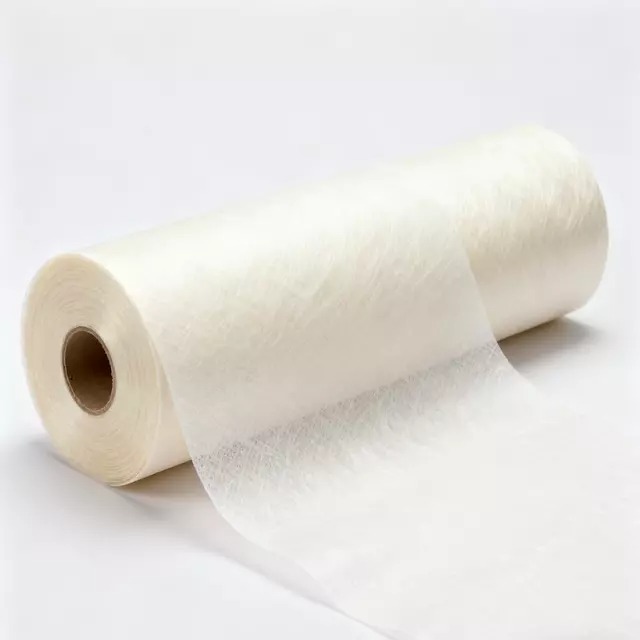
So, does geotextile fabric let water through? Yes, and this is exactly how it is designed to work in real applications. It allows water to pass while holding soil in place, which supports drainage, filtration, and long-term structural stability across many projects.
The key is choosing the right type based on soil conditions, flow needs, and project goals. When selected correctly, it improves performance and reduces maintenance over time. High-quality products, such as those from LEEBO Environmental Protection Materials Co., Ltd., offer consistent pore structure, reliable filtration, and strong durability, helping ensure stable results in demanding environments. Whether used in drainage systems, roads, or landscaping, understanding how geotextile fabric works leads to better decisions and longer-lasting outcomes.
A: Yes. Geotextile fabric is made to let water pass while keeping soil particles in place. This makes it useful for drainage, filtration, and ground stability.
A: No. Geotextile fabric is permeable, not waterproof. It manages water flow instead of blocking it completely, so it is different from geomembranes or plastic liners.
A: Geotextile fabric has small openings that allow water to move through while holding back soil. This helps prevent clogging, erosion, and loss of base material.
A: Non-woven geotextile fabric usually allows faster water flow. Woven geotextile fabric provides more controlled drainage and often adds better reinforcement.
A: It is often used in French drains, retaining walls, road bases, slopes, and landscaping projects. In these systems, geotextile fabric helps improve drainage and long-term performance.
A: Several factors matter, including pore size, fabric structure, soil type, GSM, and installation quality. Stitchbonded Fabric can also offer stable permeability when it is made with consistent bonding and production control.


