Views: 0 Author: Site Editor Publish Time: 2026-11-27 Origin: Site
Decades ago, a dropped candle or a frayed electrical wire in the bedroom meant absolute disaster. Highly combustible bedding materials fueled rapid infernos, leaving families with mere seconds to escape. Today, the landscape of bedroom safety has completely transformed. Strict federal safety regulations combined with advanced material science have drastically reduced these household incidents. The modern bed is no longer just a place to sleep; it is a highly engineered safety zone.
At the core of this safety revolution lies the mattress support fabric. This foundational layer serves a purpose far beyond a simple visual cover. It provides essential structural integrity. It holds the internal components of the bed together while acting as a critical protective envelope. You might naturally focus on plush comfort layers like memory foam or natural latex. However, safety remains an absolute non-negotiable factor. The materials hidden deep inside our beds must resist open flames to comply with rigorous federal laws.
This introduces a significant engineering challenge. How exactly is fire resistance achieved without compromising the breathability, comfort, and health of the sleeper? This comprehensive guide explores the objective science behind these textiles. We will examine the crucial differences between chemical and natural fire barriers, detail federal safety standards, and provide actionable guidance on choosing the right materials for optimal safety and sleep quality.
Safety First: Fire-resistant support fabrics act as a crucial line of defense. They significantly slow down ignition and prevent the rapid spread of residential fires.
Material Matters: Fire resistance is achieved through inherent flame-resistant fibers like natural wool and silica, or through specialized chemical treatments applied to standard textiles.
Strict Regulations: All mattresses sold in the United States must pass the stringent 16 CFR Part 1633 flammability test. High-quality fire barriers are a mandatory manufacturing requirement.
Customization is Key: Modern textile manufacturing allows for highly adaptable base layers. These fabrics perfectly balance breathability, structural edge support, and rigorous fire safety standards.
Health-Conscious Options: The bedding industry is experiencing a massive shift. Manufacturers are rapidly moving away from toxic chemical sprays toward natural and non-toxic flame-resistant reinforcements.
Recent market analysis reveals a massive shift in consumer priorities regarding sleep environments. Buyers are no longer just looking for pressure relief and comfort; they demand absolute transparency in manufacturing. The industry is rapidly moving away from legacy chemical sprays and controversial fiberglass barriers. Consequently, textile engineers are focusing heavily on bio-based, inherent flame-resistant materials that offer zero volatile organic compound emissions.
This evolution aligns with a broader global push toward sustainable, non-toxic home goods. Consumers are actively reading law tags and researching material sourcing. For manufacturers, this means that adopting clean, certified fire barriers is no longer just a regulatory hurdle. It has become a core marketing advantage. Brands that fail to innovate and cling to outdated chemical treatments risk severe backlash and market obsolescence.
To truly understand bedding safety, one must first clearly define the components involved. The mattress support fabric is not simply the decorative outer ticking that consumers touch every night. Rather, it encompasses the heavy-duty base layers, the perimeter structural reinforcements, and the internal encasements. These layers surround highly flammable core materials like polyurethane foam or synthetic latex.
Specifically, this fabric functions as a dynamic protective safety barrier. In the chaotic event of a fire, this specific layer is engineered to react defensively. Instead of melting into a hazardous liquid or instantly igniting, high-quality support fabrics form a stable carbon barrier. This sophisticated chemical reaction effectively starves the advancing fire of oxygen. It insulates the combustible core materials and provides occupants with vital extra minutes to safely evacuate the premises. Without a robust support fabric in place, the structural integrity of the mattress would fail rapidly under high heat, accelerating the spread of the fire throughout the room.
In the textile industry, fabrics generally achieve fire resistance through two primary methodologies. These are inherent structural resistance and post-production chemical treatments.
Inherent flame resistance means that the actual molecular structure of the fiber naturally prevents it from burning. Materials like fiberglass, silica-infused rayon, and natural wool fall into this category. Because the fire defense is built directly into the fiber itself, it cannot be washed away, rubbed off, or degraded over time. In contrast, treated fabrics utilize standard combustible textiles like cotton or polyester. These are subsequently coated or saturated with chemical flame retardants. While highly effective at stopping fires, these topical treatments have faced increasing scrutiny due to chemical off-gassing and long-term durability concerns.
The primary scientific principle behind a high-quality fire barrier is the charring mechanism. When exposed to an open flame or extreme heat, the specialized fibers undergo a brilliant chemical transformation. Instead of bursting into flames and fueling the hazard, the fabric carbonizes. It creates a hardened, charred layer.
Furthermore, this char layer acts as a powerful thermal insulator. It physically blocks the open flame from penetrating deeper into the mattress. It cuts off the oxygen supply required for the underlying polyurethane foam to combust. By sealing off the fuel source, the charring mechanism effectively suffocates the fire before it can reach catastrophic levels.
Barrier Type | Primary Mechanism | Breathability | Health & Safety Profile |
|---|---|---|---|
Chemical Sprays | Releases flame-quenching gases upon heating | Moderate | High risk of off-gassing and skin irritation |
Fiberglass Core | Glass fibers melt to form an oxygen-blocking seal | Low to Moderate | Risk of micro-glass contamination if cover is removed |
Inherent Knit | Fibers carbonize to create a protective char layer | High | Non-toxic, safe for indoor air quality, highly durable |
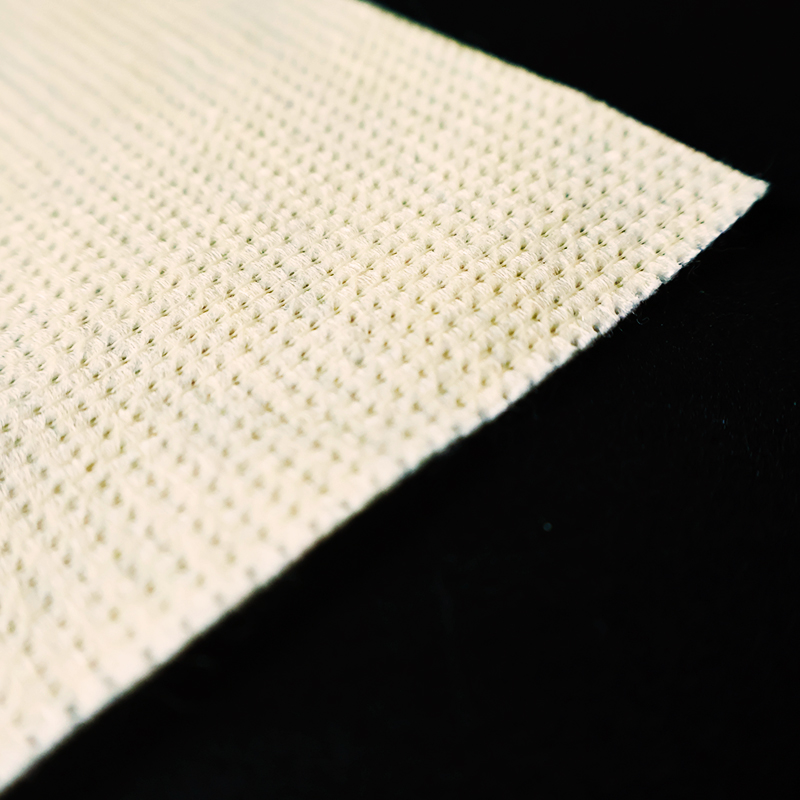
Manufacturers rely on a specific set of materials to achieve the necessary fire resistance required by law. Each material offers distinct advantages and potential drawbacks regarding cost, safety, and everyday comfort. When engineering a safe bed, utilizing a high-quality Flame Retardant Breathable Mattress Support Fabric is paramount. These specialized textiles maintain optimal airflow while meeting strict burn test criteria.
Glass fibers and silica are frequently woven into support fabrics because they are highly effective and economically viable for mass production. Silica-infused rayon operates by creating a glass-like barrier when exposed to heat, effectively sealing the mattress core. Fiberglass operates similarly. However, fiberglass has recently caused significant consumer anxiety. If a curious homeowner unzips and removes the outer mattress cover, microscopic glass shards can escape. This invisible hazard can cause severe skin irritation, respiratory issues, and widespread environmental contamination within the bedroom.
For health-conscious consumers seeking peace of mind, natural wool serves as an exceptional fire barrier. Wool fibers naturally retain a high moisture content. They require a significantly higher temperature to ignite compared to synthetic alternatives. When wool is finally forced to burn, it self-extinguishes and forms a protective char layer. Organic Polylactic Acid, derived from sustainable plant starches, is often blended with wool. This creates a completely natural, non-toxic fire barrier frequently utilized in premium organic and latex mattresses.
In premium luxury bedding lines, manufacturers may utilize advanced aramid fibers like Kevlar. Widely recognized for its application in ballistic body armor, Kevlar offers extreme durability and inherent flame resistance without the need for harmful chemical additives. These high-tech synthetic blends provide unparalleled flame-resistant reinforcement. They ensure long-lasting structural integrity and compliance with safety regulations without compromising indoor air quality.
Historically, the bedding industry relied heavily on chemical sprays known as PBDEs to meet strict flammability standards. However, extensive health debates and toxicological studies revealed a darker side to these treatments. Research showed that these chemicals could accumulate in the human body and the surrounding environment. This raised severe concerns regarding endocrine disruption, neurological impacts, and developmental issues in children.
Looking at recent market trajectories, there is a pronounced pivot toward sustainability and wellness within the sleep sector. Industry analysts note that contemporary consumers are increasingly scrutinizing the chemical footprint of their homes. They demand transparency in bedding materials. This paradigm shift is compelling textile engineers and major brands to abandon legacy chemical dips. Instead, the market is embracing inherent, bio-based barriers like graphite-infused foams and organic wool wraps. These deliver uncompromising safety without the risk of volatile organic compound emissions.
To navigate this evolving landscape, consumers and B2B buyers must rely on independent, third-party certifications. Standards such as OEKO-TEX Standard 100, CertiPUR-US, and the Global Organic Textile Standard provide empirical assurance. These credentials verify that the support fabric is completely free from harmful toxins, heavy metals, and dangerous chemical retardants while still maintaining strict fire safety compliance.
In the United States, mattress flammability is strictly governed by federal law under 16 CFR Part 1633. Implemented in 2007 and backed by extensive research from the National Institute of Standards and Technology, this standard requires all mattresses to withstand a rigorous 30-minute open flame test. Picture a stringent laboratory setting where dual gas burners apply intense flames directly to the top and sides of the mattress, simulating burning bedclothes. To pass, the peak heat release rate must not exceed 200 kilowatts at any time during the first 30 minutes.
A mattress cannot legally be manufactured, imported, or sold in the US without passing this punishing test. Consequently, the selection of the internal support fabric is the most critical compliance decision for any bedding brand. From a B2B perspective, sourcing reliable, pre-tested fire retardant fabrics is a strategic imperative. Utilizing certified materials ensures smooth regulatory compliance. It drastically reduces legal liability, prevents costly product recalls, and ultimately safeguards a brand reputation in a highly competitive market.
Not all mattresses are constructed identically. This means their structural fabrics cannot be a rigid, one-size-fits-all solution. For instance, a traditional innerspring mattress requires heavy-duty abrasion resistance to prevent coil wear. In contrast, a modern memory foam bed demands high-stretch capabilities to conform seamlessly to the body. Meanwhile, a natural latex bed necessitates maximum airflow to prevent heat retention and moisture buildup.
Modern textile engineering provides sophisticated solutions for production lines. Manufacturers now frequently leverage a customizable color-printed textile for the base layer. This advanced customization allows brands to dictate specific performance metrics:
Breathability: Advanced knitting techniques ensure the fire retardant layer does not trap ambient heat. This promotes a significantly cooler sleep environment.
Stretch and Recovery: The fabric must possess the elasticity to move dynamically with the sleeper and the foam layers without tearing or compromising the fire barrier.
Aesthetics and Branding: Highly functional base layers can now incorporate custom color-printed designs. This elevates the unboxing experience and aligns with specific home decor trends for direct-to-consumer brands.
Selecting the correct materials requires diligence and a keen eye for detail. This holds true whether you are a consumer upgrading your master bedroom or a manufacturer optimizing a global supply chain.
Always interrogate the materials list before making a purchase. Ask specific, pointed questions. Does this mattress use fiberglass as a fire barrier? Is the fire retardant naturally derived like wool, or chemically treated? Checking the physical mattress law tag is absolutely crucial. If the tag explicitly warns against removing the outer cover, it is highly likely that a delicate, hazardous fiberglass-based support fabric is utilized just beneath the surface.
For engineers and factory managers building the beds, the support fabric dictates both production efficiency and product safety. The base fabric must integrate flawlessly with a dedicated mattress edge reinforcement system. This combination prevents perimeter sagging and drastically extends the product lifespan. Look for specialized textile suppliers that provide breathable, non-toxic, and fully compliant FR support fabrics. Partnering with dedicated textile manufacturers ensures access to materials that meet 16 CFR 1633 standards consistently across batches. It also allows for customized stretch, weight, and aesthetic branding.
The mattress support fabric is undeniably the unsung hero of bedroom safety. Utilizing brilliant material science and rigorous engineering, this foundational layer protects sleepers from devastating fire hazards night after night. Thanks to modern textile innovations and shifting industry standards, we no longer have to choose between a safe bed and a healthy, chemical-free sleep environment.
As you evaluate your next sleep setup or manufacturing run, always prioritize certified, high-performance textiles. For manufacturers and B2B buyers seeking to elevate their product lines and ensure flawless compliance, exploring premium fabric solutions is the most effective strategy. Visit Leebo Textile at https://www.leebotextile.com to discover a comprehensive range of customizable, flame-retardant, and edge-reinforcement fabrics designed to protect both your customers and your brand reputation.
Yes, modern federal regulations have successfully phased out the most harmful chemicals like PBDEs. Today, reputable mattress brands utilize safe, inherent fire barriers. These include natural wool, silica-infused rayon, or non-toxic synthetic blends that meet stringent safety standards without compromising human health or indoor air quality.
It is the foundational structural fabric located at the bottom or wrapping the core of a mattress. Rather than being a generic material, it can be engineered and tailored specifically for breathability, elasticity, and targeted fire resistance. It can even feature custom color printing to match a brand unique design specifications.
Yes. By federal law in the United States, all mattresses must contain an approved fire barrier. This is mandatory to pass open-flame flammability tests, such as 16 CFR Part 1633, before a bed can be legally manufactured and sold.
The most reliable method is to carefully check the manufacturer mattress tag. Look for specific terms such as glass fiber, glass wool, or silica. Additionally, if the tag features a strict warning stating "Do not remove cover," it is frequently because a hazardous fiberglass layer is exposed immediately underneath.
It certainly can, depending entirely on the material composition and weave. However, high-quality, modern FR support fabrics are specifically engineered with advanced knitting techniques to be highly breathable. This meticulous design ensures optimal airflow and temperature regulation, maintaining your sleep comfort while providing essential fire safety.
While fiberglass is an effective and cheap fire retardant, it poses significant risks if exposed. If the mattress cover is removed or damaged, microscopic glass shards can become airborne. Breathing in these particles can cause severe respiratory issues, and skin contact leads to intense irritation. Cleanup of a contaminated bedroom often requires expensive professional remediation.
The longevity depends on the type of barrier used. Inherent fire barriers, such as specialized FR knits, Kevlar blends, or natural wool, will last for the entire lifespan of the mattress because the resistance is built into the fiber structure. Conversely, older topical chemical treatments can slowly degrade or off-gas over several years, potentially reducing their effectiveness.