Views: 0 Author: Site Editor Publish Time: 2026-11-29 Origin: Site
Have you ever wondered how high-performance athletic shoes maintain their rigid shape without turning your feet into a sweaty, uncomfortable mess? As footwear materials engineers, we know the secret to this delicate balance lies hidden beneath the surface of the shoe upper. Traditional shoe stiffeners add necessary support to the heel and toe. However, they often act as impermeable vapor barriers that completely block airflow. Fortunately, modern footwear manufacturing has resolved this structural dilemma by utilizing advanced textiles that harmonize structural integrity with optimal ventilation.
At the heart of this manufacturing innovation is sports shoe reinforcement fabric. This specially engineered material is designed to keep footwear durable, properly shaped, and exceptionally breathable. In this comprehensive guide, we will explore the empirical science behind breathable shoe components from a factory-floor perspective, analyze the specific materials favored by top footwear manufacturers, and outline how to choose the right fabrics for your specific production line.
Structure Meets Airflow: Advanced reinforcement fabrics provide essential rigidity to footwear uppers without compromising the internal ventilation dynamics of the shoe.
Moisture Management is Crucial: Utilizing specialized non-woven materials actively pulls sweat away from the foot. This helps keep the internal environment dry and significantly reduces friction.
Odor Prevention: Innovative antimicrobial treatments are essential for inhibiting bacteria buildup, thereby extending the lifespan of both athletic and premium leather footwear.
Bottom-Line for Manufacturers: Choosing the right breathable reinforcement material is a critical engineering decision. It directly impacts user comfort, product durability, and overall brand reputation.
Footwear architecture relies heavily on internal components like toe puffs, heel counters, and vamp linings. These hidden layers serve as the skeleton of the shoe. They are responsible for maintaining the structural silhouette, protecting the wearer's foot from external impacts, and preventing premature material fatigue. Without proper reinforcement, a sneaker or boot would quickly collapse under the stress of daily movement, losing both its aesthetic appeal and its functional biomechanical support.
Historically, footwear assembly lines relied on solid extruded plastics, heavy chemically treated canvases, or dense non-woven materials to provide this necessary stiffness. However, these older legacy materials present a massive engineering flaw. They completely trap heat and moisture. Imagine a marathon runner hitting the twenty-mile mark. Their feet are generating immense heat and sweat. If the toe puff or heel counter acts like a plastic bag, the resulting friction and trapped moisture inevitably lead to debilitating blisters. Furthermore, this trapped humidity accelerates the degradation of the shoe's internal glues and linings, leading to costly factory delamination issues.
Recent market analyses highlight a surging global demand for hybrid, multi-functional footwear. Consumers now expect their shoes to transition seamlessly from rugged outdoor environments to casual urban settings without sacrificing comfort. Consequently, the industry is rapidly moving away from single-purpose stiffeners. Footwear designers are prioritizing smart, climate-adaptive reinforcements that actively respond to metabolic heat.
This trend is heavily driven by the need for enhanced microclimate regulation inside the shoe. Modern functional textiles act as a vital engineering bridge. They offer the rigid support required for shoe longevity while maintaining continuous airflow to keep the foot's microclimate perfectly regulated. Brands that fail to adopt these breathable structural components often face higher return rates due to poor consumer comfort and persistent odor complaints.
Modern reinforcement fabrics are engineered meticulously at the microscopic level. They feature complex micro-porous structures where the gaps between individual fibers are strictly calibrated. These pores are small enough to provide a dense, stiff matrix for structural support, yet large enough to allow water vapor molecules to pass through freely. Because a sweat vapor molecule is drastically smaller than a liquid water droplet, this selective permeability forms the foundation of breathable footwear engineering.
True breathability extends beyond passive airflow. It involves active moisture management. Specific synthetic fibers used in these advanced textiles utilize capillary action. This physical process draws liquid moisture away from the surface of the skin, channeling it along microscopic grooves in the fiber. The fabric then pushes this moisture toward the outer, more ventilated layers of the shoe upper, where it can evaporate efficiently into the external environment.
During intense physical activity, the internal temperature of a shoe can spike dramatically. Breathable reinforcement fabrics help mitigate this by facilitating continuous convective air exchange. As the wearer steps and flexes their foot, a mechanical pumping action occurs. This dynamic exchange forces warm, damp air out through the porous stiffeners while drawing cooler ambient air inside. Maintaining this consistent temperature is a critical metric for athletic endurance.
Material Type | Breathability | Tear Strength | Best Application |
|---|---|---|---|
Extruded Plastic Sheets | Extremely Low | High | Budget footwear, heavy industrial boots |
Traditional Woven Canvas | Moderate | Medium | Casual canvas shoes, vulcanized sneakers |
Advanced Stitchbond Non-woven | Exceptionally High | Very High | High-performance athletic shoes, premium leather footwear |
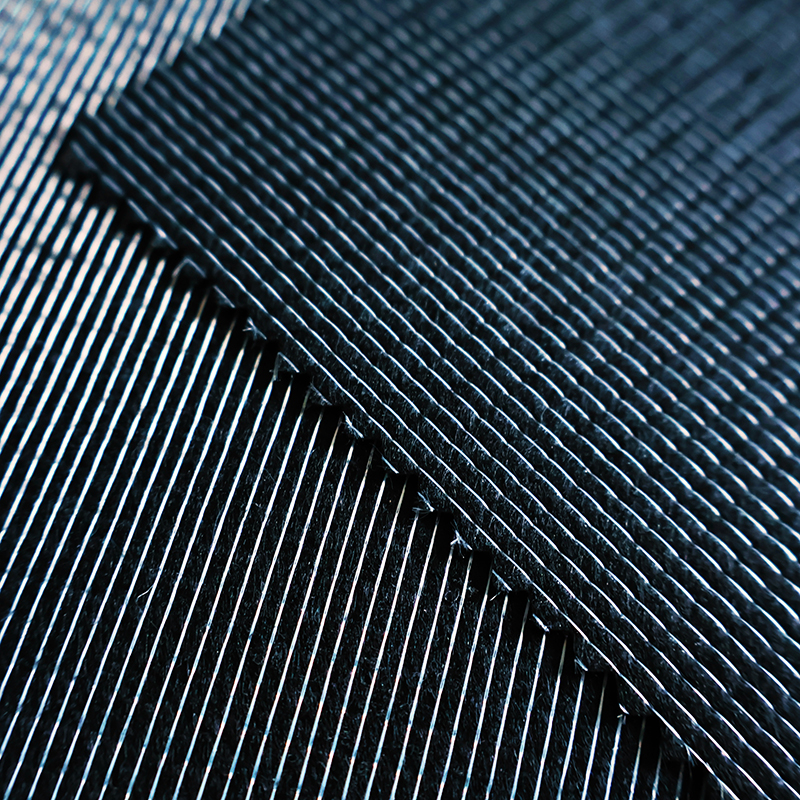
Stitchbond is a highly specialized non-woven manufacturing technology. Rather than relying heavily on chemical binders that clog air pathways, this process mechanically interlocks a web of base fibers using continuous filament yarns. The unique stitching construction results in a textile that is incredibly durable and highly resistant to tearing, all while retaining an open, highly porous structure that is ideal for internal shoe components.
Because of its open fiber network, Stitchbond fabric for sports shoe moisture-wicking systems has become an industry standard for premium footwear assembly lines. It exhibits a rapid moisture absorption rate combined with exceptional drying capabilities. Unlike traditional tightly woven cottons that swell and block airflow when wet, stitchbond maintains its structural porosity even when fully saturated. This ensures a continuous, uninterrupted moisture transport pathway away from the foot.
In high-performance athletic footwear production, strategic placement of these materials is paramount. Manufacturers typically apply stitchbond fabrics in areas prone to high friction and heavy sweat accumulation, such as vamp linings, intermediate insole boards, and heel grips. This targeted application maximizes athletic performance by ensuring the foot remains securely locked in place, eliminating the internal slippage that occurs when sweat pools against non-breathable structural components.
Natural leather possesses a complex corium structure that is inherently breathable and conforms beautifully to the shape of the foot. Unfortunately, the internal linings and structural reinforcements used in modern leather shoe construction often negate this natural benefit. When a factory pairs premium breathable leather uppers with a solid, impermeable synthetic reinforcement, the shoe loses its ability to ventilate. This creates a sealed, humid chamber around the foot.
To directly combat this design flaw, materials engineers have developed advanced functional textiles. A prime example is Antibacterial stitchbond fabric for leather shoe liners, which is treated with antimicrobial agents like silver ions during the manufacturing process. In enclosed environments such as formal dress shoes or casual leather sneakers, inhibiting the growth of odor-causing bacteria and mold is absolutely vital for maintaining daily footwear hygiene.
The accumulation of bacteria and trapped moisture does more than just cause unpleasant odors. It actively breaks down natural fibers. An acidic, sweaty environment can cause natural leather to rot, warp, or discolor from the inside out over time. By significantly reducing internal moisture and neutralizing harmful microbial growth, antibacterial breathable reinforcements protect the outer leather shell. This dramatically extends the structural lifespan and visual appeal of the footwear.
The material selection process must begin by defining the shoe's primary environment and function. Footwear designers must collaborate closely with textile engineers to pinpoint the exact weight and stiffness level of the reinforcement fabric. Selecting the correct weight allows manufacturers to fine-tune the delicate balance between rigidity and flexibility.
For a lightweight marathon running shoe, engineers typically select an ultra-thin reinforcement weighing between eighty to one hundred and twenty grams per square meter. This maximizes sweat evaporation and minimizes overall weight. Conversely, a heavy-duty mountaineering boot or a structured formal leather shoe demands a significantly stiffer, more robust reinforcement. In these cases, materials ranging from one hundred and fifty to two hundred and fifty grams per square meter are preferred. These heavier weights still offer sufficient baseline moisture management to prevent internal condensation during long periods of wear.
Furthermore, a highly porous fabric is only effective if it can be properly integrated into the shoe's architecture. Bonding compatibility refers to how securely the reinforcement adheres to various upper materials. To maintain critical airflow, advanced hot-melt adhesives are applied to the reinforcement fabric in a precise dot-matrix or scattered powder pattern, rather than as a continuous solid film. Buyers must verify that the fabric's pre-applied adhesive coating melts at temperatures compatible with their specific factory pressing machines. This ensures a robust bond without the glue melting into a puddle that blocks the breathable micro-pores.
When evaluating potential textile suppliers, always request standardized laboratory metrics like the Moisture Vapor Transmission Rate. This quantitative measurement reveals exactly how many grams of water vapor can pass through a square meter of the fabric over a twenty-four-hour period. A higher transmission rate signifies superior breathability, making it an indispensable specification for high-exertion athletic footwear.
The ultimate comfort, performance, and durability of a shoe rely heavily on the hidden materials engineered inside it. Breathable reinforcements are no longer a luxury feature. They are a non-negotiable requirement for modern consumers who demand both structural support and climate control. By moving away from solid, impermeable plastics and adopting advanced micro-porous textiles, footwear brands can significantly elevate the wearer's experience and drastically reduce factory return rates.
Whether you are designing high-impact athletic sneakers that require rapid sweat evaporation, or crafting premium leather boots that need to maintain a crisp silhouette without trapping humidity, integrating advanced materials is the key to creating superior footwear. The right structural fabrics prevent odor, reduce blisters, and protect the shoe from premature degradation.
We encourage footwear designers, product developers, and factory managers to critically evaluate their current internal stiffeners. To upgrade your shoe's breathability and moisture-wicking systems, explore the high-performance technical textiles available at Leebo Textile. Selecting the precise customized materials for your production line will ensure your next footwear collection stands out in a highly competitive market.
It is a specialized, durable textile that is strategically placed between the outer material and the inner lining of a shoe. Utilizing non-woven or stitchbond construction, it provides essential shape, structure, and impact support to areas like the heel and toe, all while allowing trapped air and sweat moisture to pass through efficiently.
Not if the correct advanced materials are utilized. Modern breathable reinforcements are engineered with micro-porous structures and utilize dot-coated hot-melt adhesives that maintain open air pathways. This prevents the shoe from trapping metabolic heat and moisture during physical activity.
Stitchbond fabric is highly porous, incredibly lightweight, and boasts exceptional multidirectional tear strength. Its unique mechanically stitched fiber structure naturally pulls liquid sweat away from the foot through capillary action, allowing it to evaporate quickly. This process keeps athletes' feet dry, cool, and comfortable over long periods.
Yes. Footwear odor is primarily caused by bacteria thriving in the warm, damp environment created by sweaty feet. Antibacterial stitchbond fabrics are specifically treated during manufacturing to inhibit this microbial colonization. By actively wicking away moisture and neutralizing bacteria at the source, these liners keep enclosed leather shoes fresh for significantly longer.
Footwear manufacturers and textile engineers use standardized laboratory testing methods, most notably measuring the Moisture Vapor Transmission Rate. This rigorous test determines exactly how many grams of water vapor can successfully pass through a one-square-meter sample of the fabric over a twenty-four-hour period under controlled atmospheric conditions.
For heel counters, footwear engineers strongly prefer thermoplastic-coated non-woven fabrics or specialized stitchbond materials. These engineered textiles provide the necessary rigidity to lock the heel safely in place, preventing ankle injuries, while simultaneously maintaining micro-porous channels for essential heat dissipation.
Traditional solid glue films completely block airflow and ruin the breathability of the upper. To maintain ventilation, premium material suppliers apply hot-melt adhesive in a scattered powder or dot-matrix pattern. This precise application leaves microscopic gaps between the glue dots, allowing water vapor to escape effortlessly even after the material is heat-pressed onto the shoe.