
- All
- Product Name
- Product Keyword
- Product Model
- Product Summary
- Product Description
- Multi Field Search

Views: 127 Author: Site Editor Publish Time: 2026-01-26 Origin: Site
Have you ever wondered how industries manage to package and transport goods securely while keeping costs low? One of the secrets lies in the use of PP woven fabric. PP woven cloth, made from polypropylene, is a durable and cost-effective material. It's used in packaging, agriculture, construction, and more. In this article, we will explore its unique properties, benefits, and environmental impact. You'll also learn how businesses can leverage PP woven fabric for greater efficiency and sustainability.
One of the primary advantages of PP woven cloth is its exceptional strength and durability. The woven structure of polypropylene fabric allows it to endure heavy loads without tearing or losing shape. This strength makes it ideal for packaging and transporting goods that require robust containment, such as construction materials, agricultural produce, and chemicals. Its durability also ensures that PP woven fabric performs well in challenging environments, handling rough handling, abrasive materials, and extreme weather conditions with ease.
In agricultural applications, this fabric is used for packaging grains and seeds, providing a reliable barrier against external forces. Similarly, in the construction sector, its strength is crucial for ensuring that bulk materials are securely contained during transportation, reducing the risk of breakage or loss.
PP woven cloth combines high strength with lightweight characteristics, which is a major advantage in shipping and handling. It provides efficient packaging solutions without significantly increasing the weight, making it a cost-effective choice in logistics.
| Property | PP Woven Fabric | Cotton Bags | Paper Bags | Plastic Bags |
|---|---|---|---|---|
| Weight (per square meter) | 100-200 g/m² | 200-300 g/m² | 150-250 g/m² | 50-150 g/m² |
| Tensile Strength | 300-500 N (depending on GSM) | 200-350 N | 100-200 N | 150-300 N |
| Load Capacity | 10-50 kg (depending on bag size) | 10-15 kg | 5-10 kg | 10-20 kg |
| Durability | 3-5 years (outdoor use) | 1-2 years | 0.5-1 year | 1-2 years |
| Flexibility | High, can bend without breaking | Medium, less flexible | Low, prone to tearing | Medium, flexible |
| Storage Efficiency | Compact and stackable | Bulky and hard to store | Moderate storage efficiency | Very compact and stackable |
Tip: The lightweight nature of PP woven fabric makes it ideal for high-volume shipping, as it reduces transportation costs without compromising strength.
PP woven cloth is highly resistant to moisture, chemicals, and environmental elements. This makes it ideal for use in sectors where materials need protection from exposure to these factors. In the agricultural industry, PP woven fabric serves as an effective barrier against water, preventing moisture from compromising the integrity of products like grains or animal feed.
Additionally, its chemical resistance allows it to handle materials like fertilizers, pesticides, and construction chemicals. Whether exposed to rain or harsh chemicals, PP woven fabric ensures the safety and longevity of the goods it contains.

The production of PP woven fabric is cost-effective compared to other materials, such as cotton or paper. Its manufacturing process, which involves melting polypropylene granules and weaving them into fabric, is relatively low-cost and efficient. Businesses benefit from this affordability, as PP woven fabric provides a high-quality, durable solution at a fraction of the cost of alternatives.
Moreover, PP woven cloth is long-lasting and reusable, meaning businesses can continue using it without frequent replacements. This helps lower long-term maintenance costs, especially in industries with high-volume packaging needs, such as agriculture, chemicals, and food processing.
PP woven fabric is fully recyclable, contributing to sustainability efforts in various industries. Once the fabric reaches the end of its useful life, it can be collected and processed to create new products, reducing waste and supporting the circular economy. This recyclability makes PP woven fabric an eco-friendly alternative to single-use plastics and other non-recyclable materials.
Businesses that prioritize sustainability can leverage the recyclability of PP woven cloth to enhance their environmental credentials and meet growing consumer demand for eco-friendly products. Furthermore, using recycled polypropylene to produce new fabric reduces the need for virgin plastic, helping conserve resources.
When compared to traditional materials like cotton and paper, PP woven fabric stands out for its durability and cost-effectiveness. Cotton, while biodegradable, is often more expensive to produce and can wear out quickly when exposed to the elements. On the other hand, paper, though inexpensive, is less durable and may not be as effective at protecting goods during transit.
PP woven fabric also offers advantages over single-use plastics, as it is reusable and recyclable. Unlike disposable plastic bags that contribute to environmental pollution, PP woven fabric provides a sustainable option for industries that need durable and environmentally responsible packaging solutions.
PP woven cloth plays a crucial role in modern agriculture, offering solutions for packaging, crop protection, and soil management. The fabric is commonly used to produce bags for storing and transporting grains, seeds, and fertilizers. Its strength and moisture resistance ensure that agricultural products remain safe from external elements, preserving their quality during storage and transportation.
In addition to packaging, PP woven fabric is used as ground covers and weed control materials. The fabric's ability to let air and water through while blocking weeds makes it ideal for preventing soil erosion and promoting healthy plant growth. It is also used as a protective cover for crops, shielding them from harsh weather conditions and UV rays.
The packaging industry benefits greatly from PP woven fabric due to its versatility and strength. PP woven bags are commonly used to package bulk goods such as cement, animal feed, rice, and chemicals. The fabric’s ability to withstand heavy loads and rough handling makes it perfect for industries that require secure and reliable packaging solutions.
Customization options, including color, size, and printability, allow businesses to brand their products effectively. PP woven bags can be printed with logos, product information, and promotional messages, increasing brand visibility and appeal to consumers.
In the construction and industrial sectors, PP woven fabric is used for a variety of applications. Its strength and durability make it an excellent choice for geotextiles, which are used to stabilize soil, control erosion, and improve drainage in construction projects. The fabric helps reinforce embankments, roads, and pavements, ensuring the longevity and stability of infrastructure.
PP woven fabric is also used in construction tarps, bulk bags, and protective covers, providing a reliable solution for storing and transporting construction materials. Its resistance to chemicals, UV rays, and physical stress makes it a valuable asset in industrial environments.
Customization is a significant advantage of PP woven fabric. It allows manufacturers to tailor the fabric's size, color, and thickness to specific applications. This is especially important for businesses that need branding options and specific packaging requirements.
| Customization Option | PP Woven Fabric | Cotton Bags | Paper Bags | Plastic Bags |
|---|---|---|---|---|
| Available Sizes | Customizable (e.g., 50x75 cm, 100x150 cm) | Limited (Standard sizes only) | Limited (Standard sizes only) | Customizable, but fewer options |
| Color Options | Multiple color choices (e.g., white, black, red) | Limited color choices (usually natural) | Limited (typically brown or white) | Wide range of color choices |
| Design Flexibility | High (custom logos, patterns) | Medium (basic designs) | Low (mostly plain) | High (custom prints available) |
| Thickness Options | 80-500 GSM (adjustable) | Fixed thickness | Fixed thickness | Fixed thickness |
| Branding and Printing | High-quality printing available | Limited (manual printing) | Low (difficult to print on paper) | High-quality prints available |
Tip: Customizing the size and color of PP woven fabric allows businesses to create unique packaging that aligns with branding and marketing goals.
PP woven fabric can be enhanced with additional layers, such as lamination or coatings, to provide extra protection against environmental factors. Laminated PP woven fabric offers an additional barrier against moisture and chemicals, making it ideal for use in outdoor or harsh conditions. The laminated surface also improves printability, allowing businesses to create high-quality branded packaging.
Unlaminated PP woven fabric, on the other hand, is breathable, making it suitable for applications like agricultural ground covers, where air and water permeability are important.
The printability of PP woven fabric is another key advantage. Businesses can easily print logos, product information, and promotional designs on PP woven bags. This ability to personalize packaging helps companies strengthen brand recognition and create a professional image.
Whether used for retail packaging, bulk storage, or agricultural products, the ability to customize PP woven bags with high-quality prints offers significant marketing potential. It allows companies to present their products in a visually appealing way while ensuring that their packaging aligns with their branding strategy.
One of the standout features of PP woven cloth is its UV resistance. This property is essential for applications exposed to direct sunlight, such as agricultural covers, construction tarps, and outdoor packaging. UV-resistant PP woven fabric ensures that the material does not degrade over time, even when exposed to harsh sunlight for extended periods.
This durability makes PP woven fabric an ideal choice for industries where outdoor use is common. Whether used for packaging, agriculture, or construction, UV-resistant PP woven fabric provides long-lasting performance and protects the contents from sun damage.
Water resistance is another key advantage of PP woven fabric, particularly in industries where moisture control is critical. When laminated or coated, PP woven fabric becomes fully waterproof, ensuring that goods remain dry and protected from the elements during transportation and storage.
This makes it particularly useful in applications such as food packaging, where moisture could lead to contamination or spoilage. In the construction industry, waterproof PP woven fabric is used for tarps, covers, and geotextiles, protecting materials from rain and humidity.
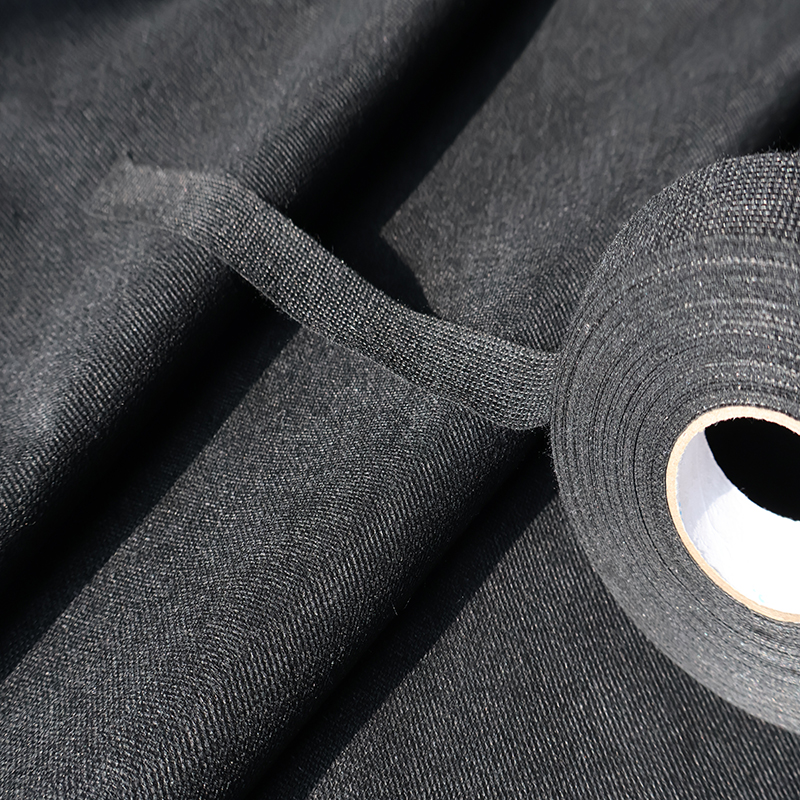
The lightweight nature of PP woven fabric significantly reduces shipping costs, which is a major benefit for businesses involved in bulk packaging and transportation. Unlike heavier alternatives, such as cotton or paper, PP woven bags and sacks add minimal weight to shipments, allowing businesses to transport large volumes of goods efficiently.
This advantage is particularly beneficial in industries like agriculture, chemicals, and construction, where large quantities of products need to be shipped over long distances. The reduced shipping weight translates into cost savings, which can be reinvested into other areas of the business.
PP woven fabric’s lightness and flexibility not only ease storage and handling but also contribute to more efficient warehouse management. The material’s ability to be stacked tightly without compromising its structure helps maximize storage space, reducing the need for excessive shelving or specialized storage areas. Furthermore, its resistance to deformation ensures that PP woven bags maintain their shape even after repeated handling, which streamlines inventory management. The ease of handling, combined with its durability, reduces the risk of worker injuries and minimizes the time required for manual labor, ultimately enhancing productivity and lowering operational costs in industries that rely on large-scale packaging.
The resilience of PP woven fabric ensures that it can withstand rough handling during transportation without tearing or degrading. This is particularly important for industries where goods are transported over long distances or through challenging conditions.
The strength of PP woven fabric protects products from damage during transit, reducing the risk of loss or spoilage. Whether it’s agricultural produce, industrial materials, or construction goods, PP woven fabric ensures that the contents remain secure and intact throughout the shipping process.
PP woven fabric’s use in bulk packaging is particularly valuable for industries that deal with large quantities of heavy or granular materials. Its high tensile strength and resistance to abrasion make it suitable for securing items like chemicals, fertilizers, and cement, even under extreme conditions. Furthermore, PP woven bags are designed to be both moisture and UV resistant, protecting contents from environmental damage during long transit times. The material’s flexibility allows for easy customization in size and design, offering a practical and efficient solution for bulk packaging needs.
In agriculture, PP woven fabric plays a vital role in both packaging and crop protection. The fabric is commonly used to create bags for storing and transporting agricultural products like rice, wheat, and seeds. Additionally, PP woven fabric is used as ground covers and mulch sheets, helping farmers manage soil temperature, control moisture, and reduce weed growth.
| Application | PP Woven Fabric | Cotton Fabric | Plastic Fabric | Paper Fabric |
|---|---|---|---|---|
| Seed and Grain Packaging | Durable, breathable, moisture-resistant | Limited durability, higher cost | Not breathable, not ideal for long-term storage | Limited use, weak in moisture control |
| Crop Protection | UV-resistant covers, ground covers | Not suitable for long-term outdoor use | Not breathable, poor UV resistance | Degrades quickly under sunlight |
| Weed Control | Effective barrier for weed management | Limited (needs frequent replacement) | Not effective (restricts water and air flow) | Not suitable (weakens over time) |
| Soil Stabilization | High strength, long-lasting | Low durability | Not ideal for erosion control | Not suitable |
PP woven fabric is increasingly popular in consumer products like reusable shopping bags, protective covers, and home storage solutions due to its unique balance of strength, flexibility, and lightweight properties. Unlike traditional fabrics, PP woven material is durable enough to withstand frequent use while remaining easy to store and transport. Its resistance to wear, tear, and moisture makes it an ideal choice for products that endure heavy handling, making it both a cost-effective and sustainable alternative to plastic bags or less durable fabric options. Additionally, its recyclability enhances its environmental appeal.
PP woven fabric is a highly versatile and cost-effective solution for various industries. Its strength, durability, and resistance to environmental factors make it ideal for applications in agriculture, construction, packaging, and more. The fabric’s recyclability and long lifespan provide an eco-friendly, sustainable option for businesses seeking to reduce waste while improving efficiency. LEEBO Environmental Protection Materials Co., Ltd. offers high-quality PP woven fabric products, which help companies streamline operations, cut costs, and enhance their sustainability efforts.
A: PP woven fabric, also known as polypropylene woven cloth, is created by interweaving polypropylene strips into a durable, flexible structure. It is produced through a process where polypropylene granules are melted and woven into fabric, offering strength and resistance to environmental factors.
A: PP woven cloth offers superior strength, durability, and moisture resistance, making it ideal for packaging, agriculture, and construction. It is lightweight yet robust, cost-effective, and fully recyclable, which makes it an eco-friendly choice for various industries.
A: PP woven fabric is widely used in agriculture for packaging grains, seeds, and fertilizers. It also serves as a protective cover for crops and as a ground cover to control weeds and prevent soil erosion, ensuring crops are shielded from weather and pests.
A: Yes, PP woven fabric is fully recyclable, making it an environmentally friendly alternative to single-use plastics. Once it reaches the end of its useful life, it can be collected and processed to create new products, supporting a circular economy.
A: Compared to cotton and paper, PP woven fabric is more durable, cost-effective, and resistant to environmental factors like moisture and chemicals. While cotton is biodegradable, PP woven fabric offers better longevity and is more economical for bulk applications.
A: PP woven cloth is an excellent choice for packaging due to its strength, resistance to physical stress, and ability to handle heavy loads. It is perfect for industries like agriculture, chemicals, and construction, where secure containment is essential during transport.
A: Yes, PP woven fabric can be tailored in terms of size, color, and thickness to meet specific industry needs. Businesses can also print logos and other branding elements on the fabric, making it a versatile option for both functional and marketing purposes.


