
- All
- Product Name
- Product Keyword
- Product Model
- Product Summary
- Product Description
- Multi Field Search

Views: 168 Author: Site Editor Publish Time: 2026-03-10 Origin: Site
Textiles appear in almost every part of daily life. We see them in clothing, furniture, and home décor. Yet many fabrics serve a far more technical purpose. What if a fabric could strengthen roads, protect firefighters, or filter industrial air? This is where the technical textile industry becomes important. Unlike traditional fabrics designed for appearance, technical textiles focus on performance, durability, and specific functions. Engineers design them to resist heat, chemicals, pressure, and harsh environments. Because of this, industries such as construction, transportation, healthcare, and environmental engineering depend on them every day.
In this article, we explore what a technical textile really is. You will learn how these materials work, where they are used, and why industries rely on them. We will also look at modern manufacturing innovations and how companies like LEEBO help advance high-performance textile production.
A technical textile refers to fiber-based materials designed primarily for functionality rather than decoration. Engineers develop these fabrics to perform specific tasks in industrial, medical, environmental, or protective environments.
Unlike fashion textiles, technical textiles are engineered to meet measurable performance standards. These may include tensile strength, heat resistance, filtration efficiency, chemical stability, or structural reinforcement.
For example:
● Airbags require strong woven fabrics that inflate instantly without tearing.
● Medical implants require sterile, biocompatible fibers.
● Construction projects require durable geotextiles for soil stabilization.
In each case, the textile serves a functional purpose rather than aesthetic value.
Technical textiles share several important characteristics:
High durability
They must withstand mechanical stress, abrasion, and heavy loads.Resistance to environmental conditions
Many technical textiles resist heat, chemicals, UV exposure, and moisture.Specialized performance
Some fabrics filter liquids or gases. Others reinforce structures or provide protective barriers.Lightweight structure
Despite their strength, many technical textiles remain lightweight and flexible.These properties allow them to perform reliably in demanding environments.
The difference between technical textiles and traditional textiles lies in their purpose.
Feature | Traditional Textiles | Technical Textiles |
Primary purpose | Clothing and decoration | Industrial performance |
Design focus | Comfort and appearance | Strength and functionality |
Typical uses | Apparel, curtains, furniture | Automotive, construction, medical |
Performance requirements | Moderate | High-performance standards |
While traditional fabrics focus on visual appeal, technical textiles focus on functionality and engineering performance.
Modern industries require materials that solve complex problems. Technical textiles help improve:
● Safety in protective clothing and automotive components
● Efficiency in filtration systems and industrial machinery
● Durability in construction materials
● Sustainability in environmental protection solutions
As technology advances, the role of technical textiles continues to expand.

Technical textiles appear in many industries. They are often grouped into several application sectors.
Medical textiles support healthcare systems worldwide. They include products such as:
● Surgical gowns
● Medical masks
● Bandages and wound dressings
● Artificial ligaments
● Implantable materials
These textiles must meet strict hygiene and safety standards. Many are designed for single-use sterilized environments, while others support long-term medical implants.
Vehicles rely heavily on technical textiles. These materials improve both safety and performance.
Examples include:
● Airbags
● Seat belt webbing
● Tire reinforcement fabrics
● Acoustic insulation materials
● Interior structural fabrics
Modern cars may contain 20–30 kg of technical textile materials.
Protective textiles shield people from extreme environments.
Common examples include:
● Fire-resistant firefighter suits
● Bullet-resistant body armor
● Chemical protective clothing
● Industrial safety gloves
These fabrics often use high-performance fibers such as aramid or carbon fiber.
Civil engineering projects rely on geotextiles to stabilize soil and reinforce infrastructure.
They help with:
● Road construction
● Drainage systems
● Erosion control
● Dam reinforcement
● Soil stabilization
Without these textiles, many modern infrastructure projects would require more concrete and steel.
Agriculture also benefits from advanced fabrics.
Applications include:
● Shade nets
● Crop protection covers
● Anti-bird nets
● Fishing nets
● Aquaculture fabrics
These materials protect crops while improving agricultural productivity.
Industrial environments require durable textile materials for heavy-duty operations.
Examples include:
● Industrial filtration fabrics
● Conveyor belts
● Reinforcement fabrics
● Industrial ropes
● Cleaning cloths and filters
Many industrial systems depend on these materials for safe and efficient operation.
Tip: When selecting industrial technical textiles, evaluate temperature resistance, tensile strength, and chemical stability before making a purchase.
Although synthetic fibers dominate the industry, natural fibers still play a role.
Common natural materials include:
● Cotton
● Wool
● Jute
● Silk
These fibers often appear in agricultural, packaging, and eco-friendly textile applications.
Synthetic fibers dominate the technical textile industry. They deliver consistent quality, high strength, and chemical resistance.
The most common synthetic fibers include:
Fiber Type | Key Properties | Typical Applications |
Polyester | Strength and stability | Automotive textiles |
Nylon | Abrasion resistance | Industrial fabrics |
Polypropylene | Chemical resistance | Geotextiles |
Acrylic | Weather resistance | Outdoor fabrics |
These fibers allow engineers to design fabrics with predictable performance.
Some technical textiles require advanced materials capable of extreme performance.
These may include:
● Carbon fibers
● Aramid fibers
● Metal fibers
● Glass fibers
One well-known example is Fiberglass Woven Cloth, a textile made from fine glass filaments. It offers excellent heat resistance, electrical insulation, and high tensile strength. Industries use it widely in insulation systems, construction materials, aerospace components, and fire-resistant equipment.
Manufacturers often combine multiple fibers to improve overall performance.
For example:
● Polyester blended with fiberglass improves heat resistance.
● Carbon fibers combined with polymers increase structural strength.
● Natural fibers combined with synthetics enhance sustainability.
These hybrid solutions help engineers customize textiles for specific applications.
Technical textile manufacturing involves both traditional textile techniques and advanced engineering methods.
Basic textile structures still rely on conventional processes such as:
● Weaving
● Knitting
● Braiding
These processes create strong fabric structures that serve as the base material.
Many technical textiles use specialized manufacturing techniques.
Examples include:
● Stitch bonding
● Needle punching
● Thermal bonding
● Chemical bonding
These processes create strong nonwoven fabrics with high structural integrity.
Manufacturers such as LEEBO have developed expertise in stitchbond production, allowing them to produce high-strength fabrics at large scale while maintaining consistent quality.
Many technical textiles receive additional finishing treatments after the base fabric is produced. These treatments improve performance and help the material meet specific industrial needs. By applying coatings, laminating layers, or forming composite structures, manufacturers can enhance durability, waterproofing, and strength.
Finishing Process | How It Works | Key Benefit |
Polymer Coating | A polymer layer is applied to the fabric surface. | Improves waterproof and chemical resistance. |
Lamination | Multiple layers are bonded using heat or adhesive. | Increases durability and stability. |
Composite Layering | Different materials are combined into layered structures. | Enhances structural strength. |
These finishing processes help technical textiles perform reliably in demanding environments such as construction, filtration systems, and protective equipment.
Modern factories use automated production systems to improve efficiency.
For example, advanced facilities incorporate:
● Intelligent production lines
● Energy-saving equipment
● Automated quality monitoring
Companies like LEEBO continue investing in upgraded equipment and environmentally responsible manufacturing processes. This allows them to maintain high production capacity while reducing energy consumption.
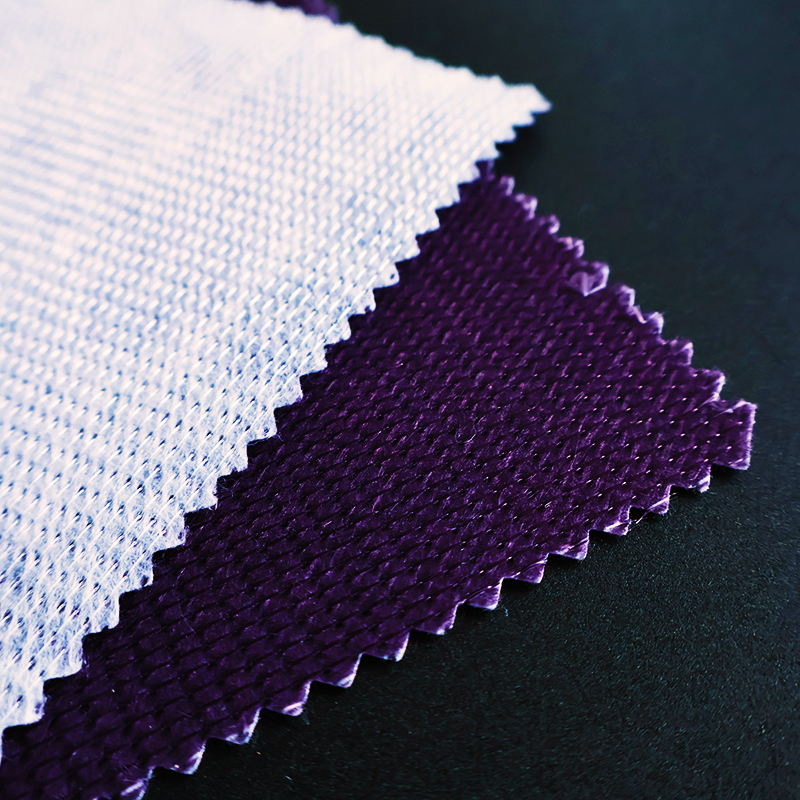
Technical textiles offer several advantages compared with traditional materials such as metals or plastics.
Many technical textiles provide high tensile strength and long service life. They resist abrasion, chemicals, and environmental exposure even in demanding industrial conditions. This durability reduces maintenance costs in many industries and helps extend the service life of equipment, infrastructure, and protective systems. In construction, transportation, and filtration applications, these materials continue performing reliably over long periods while maintaining structural stability.
Technical textiles can deliver unique functions, including:
● Thermal insulation
● Filtration
● Fire resistance
● UV protection
● Electrical insulation
These properties allow engineers to solve complex industrial challenges.
One major advantage is their high strength-to-weight ratio.
Compared with heavy materials like steel, technical textiles can provide similar reinforcement while remaining lightweight. This improves fuel efficiency in transportation and reduces structural loads in construction.
Technical textiles continue expanding into new fields, especially architecture and sustainable design.
Architects increasingly use textile materials for flexible building structures.
Examples include:
● Tensile membrane roofs
● Stadium coverings
● Sun shading structures
● Lightweight partitions
These fabrics allow designers to create visually striking and structurally efficient buildings.
Some textile materials help improve environmental performance.
For example:
● Reflective fabrics reduce heat absorption.
● Breathable membranes regulate indoor temperature.
● Durable geotextiles extend infrastructure life.
These features contribute to sustainable construction practices.
Manufacturers are also exploring recycled materials and low-energy production methods.
Recycled polyester fibers, for instance, allow companies to reduce plastic waste while maintaining high-performance fabric properties. Several textile manufacturers now integrate these materials into industrial textile production.
Note: Sustainability in technical textiles increasingly depends on recycled raw materials, energy-efficient production, and long product lifespans.
Technical textiles have become one of the most innovative areas in the modern textile industry. Unlike traditional fabrics used mainly for appearance, a technical textile focuses on strength, durability, and specialized functions. These materials support many industries, including healthcare, transportation, construction, agriculture, and environmental engineering. Products such as medical fabrics, automotive airbags, geotextiles, and filtration materials help solve complex engineering challenges while improving safety and efficiency.
Advanced materials like Fiberglass Woven Cloth, high-performance polymers, and hybrid fiber composites continue to expand the possibilities of textile applications. Manufacturers play an important role in this progress. LEEBO Environmental Protection Materials Co., Ltd. provides high-quality stitchbond technical fabrics produced through efficient, environmentally responsible processes. Their products offer reliable performance, stable quality, and scalable supply, helping industries gain durable and cost-effective textile solutions for demanding applications.
A: A technical textile is a fabric designed mainly for performance rather than appearance. Engineers create it to deliver functions like filtration, insulation, reinforcement, or protection. These materials are used in industries such as construction, healthcare, and transportation. For example, Fiberglass Woven Cloth is often used where high heat resistance and structural stability are required.
A: A technical textile focuses on function, while traditional fabrics focus on comfort and style. Technical textiles must meet strict performance standards such as strength, durability, or chemical resistance. Materials like Fiberglass Woven Cloth demonstrate this difference because they provide thermal insulation and structural reinforcement rather than decorative value.
A: A technical textile improves safety, efficiency, and durability in many sectors. Automotive airbags, geotextiles in road construction, and medical fabrics all depend on engineered textile structures. High-performance materials such as Fiberglass Woven Cloth also support insulation and fire-resistant systems in industrial environments.
A: A technical textile can use natural fibers, synthetic polymers, or advanced composites. Polyester, nylon, polypropylene, carbon fiber, and glass fiber are widely used. For high-temperature environments, Fiberglass Woven Cloth is often chosen because it offers excellent heat resistance and mechanical strength.
A: Fiberglass Woven Cloth is a specialized material within the technical textile field. It is woven from glass filaments and provides strong thermal insulation and electrical resistance. Industries use it in insulation systems, construction materials, fire-resistant products, and aerospace components.
A: The cost of a technical textile depends on fiber type, manufacturing process, and performance requirements. Advanced materials like Fiberglass Woven Cloth or carbon fiber fabrics may cost more due to specialized production methods. However, their durability and long service life often reduce long-term operating costs.


