
- All
- Product Name
- Product Keyword
- Product Model
- Product Summary
- Product Description
- Multi Field Search

Views: 126 Author: Site Editor Publish Time: 2026-03-20 Origin: Site
Nonwoven fabrics appear in more places than most people notice. They exist in medical gowns, cleaning wipes, filters, and packaging materials. Yet many people still wonder about a simple question: can you bleach nonwoven fabrics without damaging them? The answer is not always obvious. These materials behave differently from woven textiles. Their fibers bond together through heat, chemicals, or mechanical processes. Because of this structure, bleaching results depend on fiber type, bleach strength, and cleaning methods.
In this article, we explore how bleaching works on nonwoven fabrics. You will learn which fibers handle bleach best and how to treat them safely. We will also look at practical care methods and why quality manufacturing—such as the stitchbond fabrics produced by LEEBO—can influence cleaning performance.
Bleaching removes stains, microorganisms, and discoloration from textile surfaces. When used properly, it can also improve brightness and cleanliness.
However, because nonwoven fabrics rely on bonded fiber structures, treatment must be controlled carefully.
Many nonwoven fabrics use synthetic fibers that tolerate mild chemical treatments. Polyester and polypropylene, for example, have relatively stable molecular structures.
These fibers resist moisture and chemical exposure better than many natural materials. As a result, properly diluted bleaching agents can clean them without affecting their core performance.
Industries that rely on hygiene standards—such as healthcare or food packaging—often apply controlled bleaching or sanitizing processes to maintain cleanliness.
The fiber composition largely determines how well bleaching works.
Fiber Type | Common Use | Bleach Compatibility |
Polypropylene | Medical masks, packaging | High compatibility |
Polyester | Industrial textiles, upholstery | High compatibility |
Nylon | Hygiene products | Moderate compatibility |
Rayon | Wipes, cleaning cloths | Moderate compatibility |
Cotton | Medical textiles | Good compatibility |
Synthetic fibers often provide the best stability during treatment.
Two main bleach types exist:
Chlorine bleach
● Strong oxidizing agent
● Fast stain removal
● Higher risk of fiber degradation
Oxygen-based bleach
● Milder chemical action
● Safer for most synthetic fibers
● Better for repeated cleaning cycles
For most nonwoven materials, oxygen-based bleach is the preferred option.
Oxygen bleach releases hydrogen peroxide when dissolved in water. It breaks down stains gradually instead of aggressively attacking the fibers.
Benefits include:
● Reduced fiber weakening
● Lower risk of yellowing
● Safer for repeated washing
● More environmentally friendly
Many industrial cleaning processes rely on this method when maintaining hygiene fabrics.
Bleaching may be used for several reasons:
● Removing organic stains
● Disinfecting hygiene materials
● Restoring whiteness
● Eliminating odors
However, bleaching should always be part of a controlled cleaning routine, not an everyday treatment.
Tip: Always test bleach on a hidden section first. This small step prevents unexpected changes in color or texture.
Before applying any chemical treatment, it helps to understand how nonwoven fabrics are made.
Their structure differs greatly from woven or knitted textiles.
Nonwoven fabrics are created by forming fibers into a web and bonding them together. Manufacturers use several methods:
● Mechanical bonding (needle punching)
● Thermal bonding (heat fusion)
● Chemical bonding (adhesive binders)
These processes eliminate the need for spinning yarn or weaving.
The result is a fabric that can be:
● Lightweight
● Durable
● Highly absorbent
● Air permeable
These properties make nonwovens ideal for disposable and industrial applications.
Many modern nonwoven products rely on synthetic fibers because they offer stable performance.
Common materials include:
● Polypropylene
● Polyester
● Nylon
● Rayon
● Cotton blends
Each fiber reacts differently to bleaching agents.
For example, polypropylene shows strong resistance to moisture and chemicals, while rayon behaves more like natural cellulose fibers.
Bonding technology changes how chemicals interact with the fabric.
Bonding Method | Structural Characteristic | Bleaching Behavior |
Thermal bonding | Heat fused fibers | Strong chemical resistance |
Needle punched | Mechanically entangled fibers | Moderate absorption |
Chemical bonding | Adhesive binders present | Requires gentle treatment |
Industrial materials such as Coarse Denier Nonwoven Fabric often use thicker fibers and stronger bonding structures. These fabrics show higher durability and tolerate cleaning processes more effectively.
Proper technique makes bleaching both safe and effective.
Follow a controlled process rather than applying chemicals directly.
Always dilute bleach before applying it to the material.
Typical preparation steps:
1. Fill a container with cold water
2. Add oxygen-based bleach according to product instructions
3. Stir until fully dissolved
Dilution reduces the chance of fiber damage.
Testing prevents unexpected fabric reactions.
Steps include:
● Cut a small sample or choose an inconspicuous corner
● Apply a drop of diluted bleach
● Wait 5–10 minutes
● Rinse and observe any changes
If the structure and color remain stable, the fabric likely tolerates the treatment.
Exposure time strongly influences treatment results. Extended soaking may weaken fiber bonds.
Cleaning Goal | Suggested Soaking Time |
Light stain removal | 10–20 minutes |
Moderate cleaning | 30–45 minutes |
Deep whitening | Up to 60 minutes |
Maximum exposure | 2 hours |
Shorter soaking periods generally preserve material strength.
Once bleaching finishes:
1. Rinse thoroughly in cold water
2. Wash using mild detergent
3. Air dry or tumble dry on low heat
This removes chemical residues and stabilizes the fabric.
Note: Avoid high temperatures during drying. Excess heat may degrade synthetic fibers.
Not every material reacts the same way. Some nonwoven fabrics tolerate bleaching better than others.
Polypropylene is one of the most widely used fibers in nonwoven manufacturing.
Advantages include:
● High chemical resistance
● Low moisture absorption
● Strong durability
It appears in medical masks, surgical gowns, and packaging materials.
Because of its stable polymer structure, it usually responds well to controlled bleaching.
Polyester fibers combine strength and flexibility.
Common applications include:
● Automotive interiors
● Industrial filters
● Furniture padding
These fibers resist oxidation and maintain structural stability during cleaning processes.
Nylon offers strong mechanical properties and excellent elasticity.
It is commonly used in:
● Hygiene products
● Protective clothing
● Technical textiles
When bleaching nylon nonwoven fabrics, milder solutions and shorter exposure times are recommended.
Cellulose-based fibers such as rayon or cotton provide high absorbency.
They are often used in:
● Cleaning wipes
● Cosmetic pads
● Medical textiles
Because they behave similarly to natural fibers, oxygen bleach works best for maintaining strength and brightness.
Many industrial producers combine these fibers with synthetics to improve durability and chemical stability.
Bleaching should always be followed by proper cleaning and drying.
This helps preserve fiber structure and appearance.
Cold water washing removes bleach residue while preventing shrinkage or distortion.
Recommended approach:
● Use mild detergent
● Choose gentle wash cycles
● Avoid heavy agitation
Cold water also helps maintain fiber bonding strength.
Drying methods affect fabric lifespan.
Method | Benefits |
Air drying | Protects fiber bonding |
Low-heat drying | Faster drying, moderate safety |
High heat drying | Not recommended |
Air drying remains the safest option.
To extend the life of nonwoven fabrics:
● Avoid repeated chemical treatments
● Store materials in dry environments
● Use mild detergents for routine cleaning
Quality manufacturing also matters. Producers like LEEBO maintain strict quality control and advanced equipment to ensure their stitchbond fabrics retain stability even after repeated cleaning cycles.
Bleached nonwoven fabrics appear in many industries.
Their cleanliness and brightness improve product safety and appearance.
Hospitals rely heavily on nonwoven materials.
Examples include:
● Surgical gowns
● Face masks
● Sterile packaging
Bleaching helps maintain hygiene standards during production and cleaning.
Many cleaning wipes and cloths use nonwoven technology.
Benefits include:
● Strong absorbency
● Lint-free surfaces
● Easy disposable use
Bleaching removes stains and bacteria effectively.
Nonwoven fabrics also appear in:
● Agricultural covers
● Protective packaging
● Filtration materials
Durable structures such as Coarse Denier Nonwoven Fabric are especially useful in heavy-duty environments where strength and resistance are required.
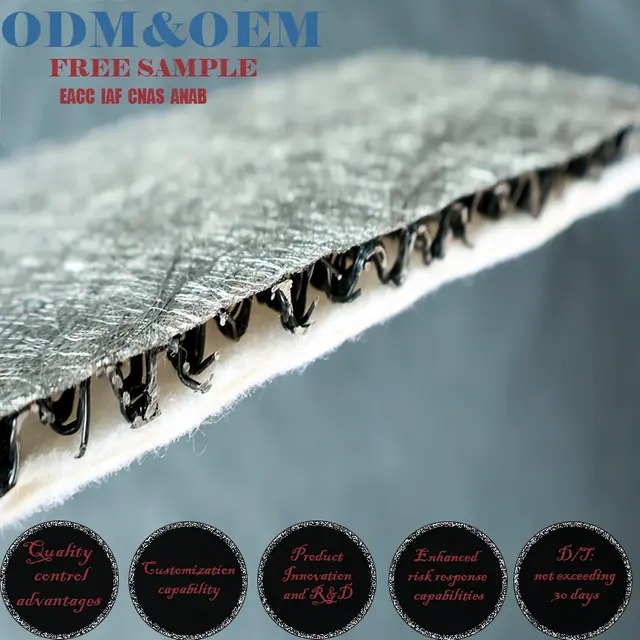
Material quality significantly influences how fabrics respond to cleaning treatments.
Manufacturers choose fibers carefully based on performance goals.
Modern nonwoven production may include:
● Polyester blends
● High-denier polypropylene fibers
● Reinforced synthetic webs
These materials improve durability and chemical tolerance.
Many textile producers now focus on sustainability.
New developments include:
● Recycled polyester fibers
● Energy-efficient production lines
● environmentally friendly bonding technologies
Companies such as LEEBO continue exploring recycled material technology and intelligent manufacturing equipment to increase production efficiency while maintaining product performance.
These innovations help ensure nonwoven fabrics remain durable even during cleaning and maintenance processes.
So, can you bleach nonwoven fabrics? In many situations, the answer is yes. Safe results depend on several key factors. Fiber composition matters first. Bleach type also plays an important role. Proper dilution and limited soaking time protect fiber strength. Careful rinsing and washing help maintain fabric performance after treatment. Many nonwoven fabrics made from polypropylene or polyester handle bleaching well. Stronger materials, such as Coarse Denier Nonwoven Fabric, often provide even better durability because thicker fibers improve structural stability. When the correct cleaning process is used, these fabrics remain bright, clean, and reliable across medical, industrial, and household uses.
Product quality also influences long-term performance. Manufacturers like LEEBO Environmental Protection Materials Co., Ltd.focus on stable fiber selection, advanced production technology, and environmentally responsible processes. Their stitchbond nonwoven materials provide consistent strength and durability, helping customers maintain high-performance fabrics even after repeated cleaning or bleaching treatments.
A: Yes, many nonwoven fabrics can be bleached when the process is controlled. Use oxygen-based bleach, dilute it properly, and limit soaking time. Synthetic fibers like polyester or polypropylene usually tolerate bleaching well because they resist chemical reactions better than many natural materials.
A: Oxygen-based bleach is generally the safest option for nonwoven fabrics. It cleans gradually and reduces the risk of fiber damage or discoloration. Chlorine bleach is stronger and should only be used with caution and proper dilution.
A: First dilute the bleach solution in water. Then test it on a small area of the nonwoven fabrics. If the fabric remains stable, soak it for a short time and rinse thoroughly with cold water. Proper washing afterward helps maintain fabric strength.
A: Yes, polypropylene and polyester nonwoven fabrics typically respond well to bleaching treatments. Their synthetic structure provides strong chemical resistance, making them suitable for cleaning wipes, hygiene materials, and industrial textiles.
A: In many cases, Coarse Denier Nonwoven Fabric offers improved durability because thicker fibers provide stronger structural stability. This allows the material to tolerate cleaning processes, including mild bleaching, while maintaining strength.
A: Testing ensures the nonwoven fabrics maintain their structure and appearance. Manufacturers check fiber composition, bonding method, and chemical tolerance before large-scale cleaning or sterilization processes.


