
- All
- Product Name
- Product Keyword
- Product Model
- Product Summary
- Product Description
- Multi Field Search

Views: 158 Author: Site Editor Publish Time: 2026-03-13 Origin: Site
What if a fabric could filter air, protect workers, or reinforce buildings? Many materials already do this. They are called technical textiles, and they serve functions far beyond clothing or decoration. These fabrics operate in demanding environments, including construction sites, hospitals, farms, and transportation systems. Unlike traditional fabrics made mainly for comfort, technical textiles focus on strength, durability, and performance. They often combine engineered fibers, advanced yarn structures, and protective coatings. Modern manufacturers continue improving these materials through research and smarter production methods. Companies such as LEEBO, known for stitch-bond fabrics, invest heavily in process optimization and sustainable manufacturing technologies.
In this article, we explore how technical textiles are made. You will learn how advanced fibers become industrial fabrics through spinning, weaving, nonwoven processing, and finishing technologies. By the end, you will better understand the manufacturing steps behind these high-performance materials.
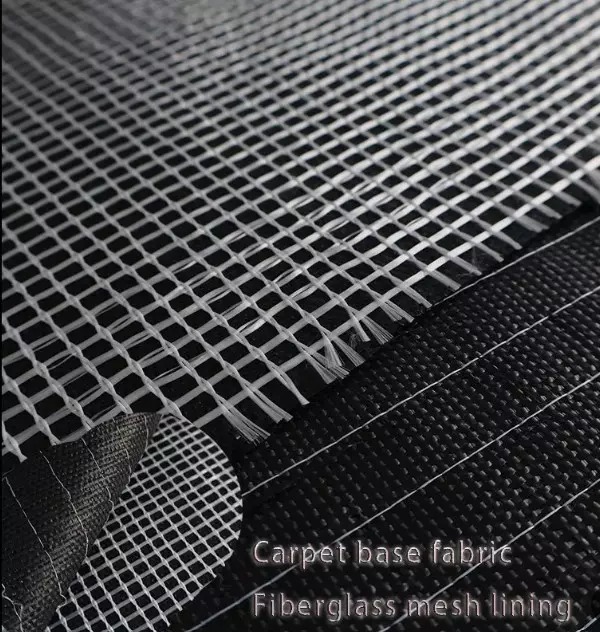
Manufacturing technical textiles involves several specialized stages. Each step influences the strength, durability, and performance of the final product.
The production process begins with advanced fiber selection. Unlike fashion textiles, these fabrics require materials designed for durability and function.
Common raw materials include:
● Carbon fiber – extremely strong and lightweight
● Aramid fibers (Kevlar) – heat resistant and impact resistant
● Glass fibers – ideal for reinforcement and insulation
● High-density polyethylene (HDPE) – chemical resistant
● Engineered polyester – stable and versatile
These fibers are selected based on the performance required. For example:
Application | Fiber Type | Key Property |
Aerospace composites | Carbon fiber | High strength-to-weight ratio |
Protective clothing | Aramid | Heat and cut resistance |
Filtration systems | Polyester | Durability and chemical stability |
Construction materials | Glass fiber | Structural reinforcement |
Choosing the correct raw fiber determines how the textile will perform in real-world conditions.
Many technical fibers are synthetic. Manufacturers create them through a chemical process called polymerization. During this process, small molecular units link together to form long polymer chains.
Next, these polymers are melted and pushed through small holes called spinnerets. This extrusion process forms continuous filaments that become textile fibers.
Engineers control several factors during this stage:
● filament thickness
● fiber strength
● elasticity
● heat resistance
This precision allows manufacturers to tailor fibers for very specific industrial uses.
Once fibers are produced, they must be converted into yarn. Yarn forms the structural base of most fabrics.
The process includes several steps:
1. Cleaning – removing impurities from fibers
2. Carding or combing – aligning fibers into parallel strands
3. Blending – mixing different fiber types if needed
4. Spinning – twisting fibers together to form yarn
The spinning process improves tensile strength and durability. Without this step, fibers would not hold together during fabric manufacturing.
After yarn production, manufacturers transform it into fabric structures. Different industries require different fabric architectures.
The most common production methods include:
● Weaving – interlacing yarns at right angles
● Knitting – looping yarns together
● Nonwoven technology – bonding fibers without yarn
Each method creates a unique structure with specific advantages.
For example:
● woven fabrics offer structural strength
● knitted fabrics provide elasticity
● nonwoven fabrics deliver filtration and insulation properties
Technical textiles rarely leave the loom in their final form. They usually undergo functional finishing processes.
These treatments add specialized performance characteristics, such as:
● waterproofing
● flame resistance
● UV protection
● chemical resistance
● antibacterial properties
Manufacturers may apply polymer coatings, laminates, or chemical treatments to achieve these properties.
These finishing stages ensure the textile meets strict industrial standards.
Note: Finishing treatments often determine whether a textile meets regulatory safety requirements in industries such as healthcare, construction, or transportation.
Synthetic fibers dominate the technical textile market. Engineers design them for durability and consistency.
Common examples include:
● polyester
● nylon
● polypropylene
● acrylic
These fibers offer advantages such as:
● chemical resistance
● dimensional stability
● moisture resistance
● long service life
Polyester, for example, remains widely used because it combines strength, affordability, and environmental adaptability.
Some applications demand extreme performance. In those cases, manufacturers turn to specialty fibers.
Examples include:
● Carbon fiber – aerospace and sports equipment
● Aramid fiber – ballistic protection and safety gear
● Ultra-high-molecular-weight polyethylene (UHMWPE) – ropes and protective equipment
These fibers deliver exceptional strength while remaining lightweight.
Some environments involve extreme heat or chemical exposure. Organic fibers often degrade under these conditions. Inorganic fibers provide a solution.
The most common examples include:
Fiber | Heat Resistance | Typical Use |
Glass Fiber | Very high | Insulation and reinforcement |
Ceramic Fiber | Extremely high | Furnace insulation |
Metallic Fiber | High | Conductive textiles |
These fibers support applications in aerospace, heavy industry, and environmental protection systems.
The way yarns are structured strongly affects the final textile performance.
Woven fabrics use warp and weft yarns crossing at right angles.
This structure creates a stable fabric with strong load-bearing capacity.
Common uses include:
● conveyor belts
● airbags
● reinforcement fabrics
● filtration media
Woven structures remain popular in applications requiring durability and dimensional stability.
Knitted fabrics use loops rather than interlaced yarns. This structure allows more movement and flexibility.
Knitted technical textiles often appear in:
● sports equipment
● medical bandages
● compression garments
● protective clothing
Their elasticity improves comfort and adaptability.
Nonwoven materials represent one of the fastest-growing areas in the textile industry.
Unlike woven or knitted fabrics, nonwoven fabrics bond fibers directly together.
Mechanical processes physically entangle fibers.
Common techniques include:
● needle punching
● hydroentanglement
These methods create strong nonwoven structures widely used in filtration and insulation.
Thermal bonding uses heat to fuse fibers together.
The process works best with thermoplastic fibers, which melt under controlled temperatures.
It produces lightweight yet durable fabrics suitable for hygiene products and industrial materials.
Chemical bonding uses adhesives or binders to stabilize fibers.
Manufacturers often use this technique for specialized applications requiring controlled porosity or rigidity.
Stitch-bond technology combines advantages from both woven and nonwoven textile structures. Instead of weaving yarns in two directions, manufacturers reinforce layers of fibers by stitching them together. This design increases stability and tensile strength while keeping the fabric flexible. Because of this balance, stitch-bond fabrics are widely used in industrial materials that require reinforcement and durability.
Manufacturers apply this structure in construction materials, automotive components, and geotextile systems. Companies such as LEEBO, founded in 2002, specialize in stitch-bond fabric production and continue improving manufacturing efficiency through research and advanced equipment. A common material used in these applications is Coarse Denier Nonwoven Fabric, which uses thicker fibers to enhance strength and long-term durability.
Application Area | Role of Stitch-Bond Structure | Benefit of Coarse Denier Nonwoven Fabric |
Construction | Reinforces layered materials | High tensile strength |
Geotextiles | Supports soil stabilization | Strong tear resistance |
Automotive interiors | Provides lightweight reinforcement | Durable fiber structure |
Roofing membranes | Strengthens layered materials | Longer service life |
Tip: For structural uses, higher denier fibers usually improve durability and tear resistance.
Even after fabric formation, technical textiles still require additional processing. Fabric structures alone cannot always deliver the durability, safety, or resistance required in industrial environments. Finishing treatments enhance performance by modifying the textile surface or strengthening the internal structure. These treatments help materials meet strict industry standards and operate reliably in demanding conditions.
Protective finishes improve both safety and durability. They allow textiles to withstand extreme temperatures, sunlight exposure, and harsh chemicals. Without these treatments, many fabrics would degrade quickly in industrial environments.
Examples include:
● flame-retardant coatings
● UV protection layers
● chemical resistance treatments
These finishes help textiles maintain performance in environments such as construction sites, outdoor infrastructure projects, and industrial facilities.
Many industrial fabrics must block liquids, gases, or environmental contaminants. To achieve this, manufacturers apply special barrier layers to the textile surface. These treatments improve resistance to moisture, chemicals, and environmental exposure.
Manufacturers achieve this using:
● polymer coatings
● laminated membranes
● silicone or PVC layers
These treatments create strong protective barriers.
Some fabrics must maintain their shape under constant mechanical stress. Heat-setting and reinforcement processes stabilize the fiber structure by locking fibers into position. This process prevents shrinkage, distortion, or deformation during long-term use and ensures the textile remains stable under repeated loading.
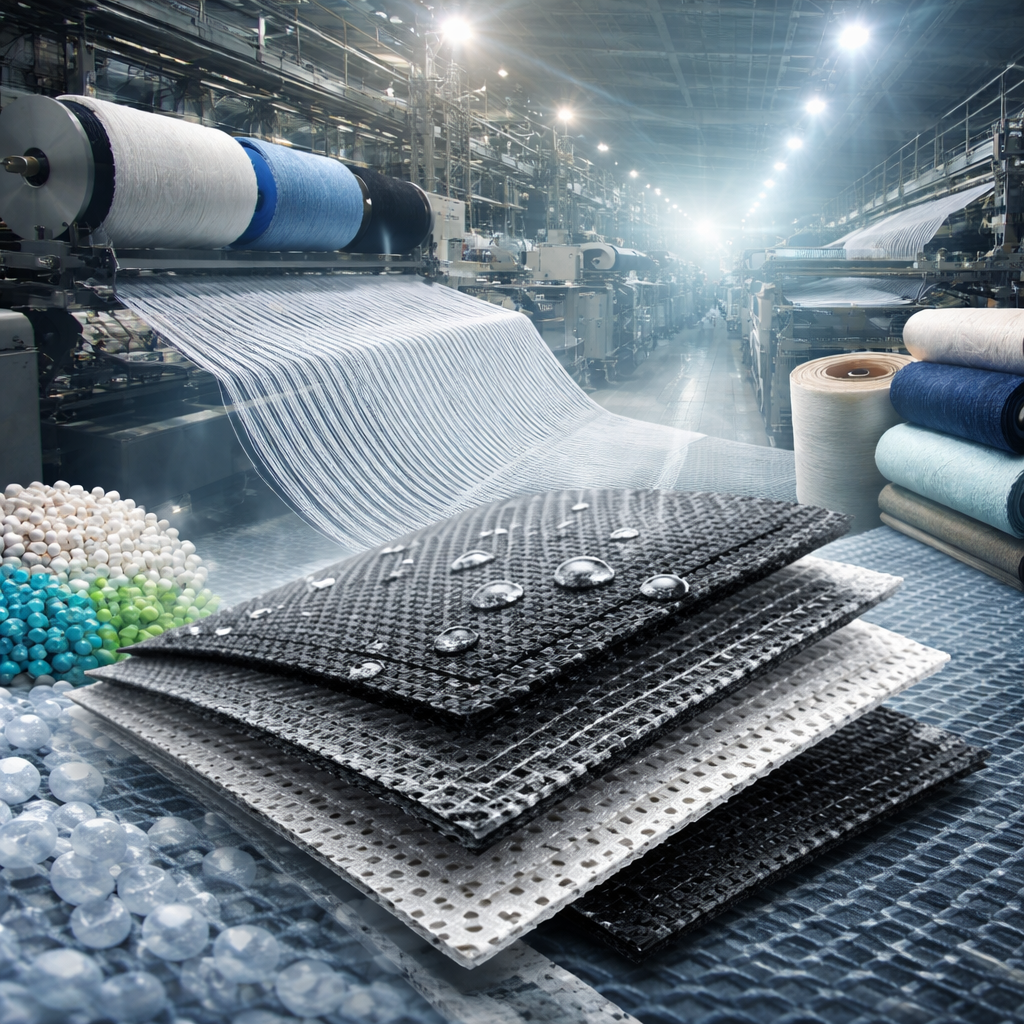
Automation improves both productivity and consistency.
Advanced machines monitor:
● yarn tension
● fiber alignment
● fabric density
● production speed
These systems reduce errors and improve quality control.
Environmental responsibility now plays a major role in textile production.
Manufacturers explore innovations such as:
● recycled polyester fibers
● energy-efficient equipment
● reduced chemical processing
Some factories incorporate recycled materials while maintaining product performance.
Technical textiles must meet strict performance standards.
Manufacturers conduct tests for:
● tensile strength
● heat resistance
● chemical stability
● durability
Many producers follow international certifications such as ISO environmental management systems. Companies like LEEBO integrate these standards into their production systems to maintain consistent product quality while supporting sustainable manufacturing.
Note: Certified production processes often improve supply chain reliability and help buyers verify consistent product performance.
Technical textiles come from a precise and structured manufacturing process. Engineers start with high-performance fibers designed for strength, durability, and resistance to heat or chemicals. These fibers move through yarn spinning, fabric formation, and specialized finishing treatments. Each stage improves performance and helps the material work in demanding environments such as construction, filtration, transportation, and environmental protection.
Modern innovation continues to improve this industry. Nonwoven technologies, stitch-bond reinforcement, and automated production systems allow manufacturers to create stronger and more efficient materials. Products such as Coarse Denier Nonwoven Fabric show how thicker fibers and reinforced structures can deliver excellent tensile strength, durability, and long service life. Companies like LEEBO Environmental Protection Materials Co., Ltd. contribute to this progress through advanced production equipment, strict quality control, and continuous research. Their technical textile materials provide reliable performance and sustainable solutions for industrial applications worldwide.
A: Technical textiles are fabrics designed for performance rather than appearance. They are made using engineered fibers, advanced yarn structures, and special finishing treatments. Unlike traditional textiles used for clothing, they are commonly used in industries such as construction, filtration, transportation, and environmental protection.
A: The production of technical textiles usually includes several stages. Manufacturers first select high-performance fibers such as polyester, aramid, or glass fiber. These fibers are spun into yarn, formed into fabric through weaving, knitting, or nonwoven processes, and then treated with coatings or finishes to add functions like heat resistance or waterproofing.
A: Nonwoven structures allow manufacturers to create technical textiles without traditional yarn weaving. Fibers are bonded using mechanical, thermal, or chemical methods. Materials such as Coarse Denier Nonwoven Fabric use thicker fibers to increase strength and durability, making them suitable for geotextiles, roofing, and filtration systems.
A: Many sectors rely on technical textiles because of their durability and functionality. Common industries include construction, automotive manufacturing, agriculture, healthcare, filtration, and environmental engineering. Materials like Coarse Denier Nonwoven Fabric are often used in reinforcement layers, infrastructure protection, and heavy-duty filtration applications.
A: Technical textiles offer higher strength, better resistance to chemicals and heat, and longer service life. Their engineered fiber structures allow them to perform specialized tasks such as filtration, reinforcement, insulation, or protection, which traditional fabrics cannot achieve.
A: The cost of technical textiles depends on fiber type, production technology, and finishing treatments. High-performance fibers like carbon or aramid increase costs, while materials such as Coarse Denier Nonwoven Fabric can provide strong performance at a more economical production scale for industrial applications.


