
- All
- Product Name
- Product Keyword
- Product Model
- Product Summary
- Product Description
- Multi Field Search

Views: 26 Author: Site Editor Publish Time: 2025-11-26 Origin: Site
Stitchbonded fabric has become a material of choice for designers, product developers, and procurement professionals who are seeking textiles that combine exceptional durability with environmentally responsible production. Unlike conventional woven or knitted fabrics, stitchbonded fabric is constructed using a unique mechanical process that locks fibers together, creating a strong and reliable material. With a high content of recycled polyester, this fabric not only addresses performance demands but also significantly reduces environmental impact, making it a vital component in the sustainability strategies of modern companies. At LEEBO, we have spent over two decades perfecting the production of stitchbonded fabric, ensuring that our products meet both high-performance standards and sustainability goals. By leveraging advanced production techniques and careful material selection, we provide fabrics that excel in a wide variety of industrial, commercial, and consumer applications.
Stitchbonded fabric starts with a nonwoven fiber web. Individual fibers are laid out to form a mat, which is then mechanically stitched together in a pattern that enhances strength and dimensional stability. The stitching binds the fibers without the need for adhesives or thermal bonding, preserving flexibility while creating a durable structure. Unlike woven fabrics, which rely on interlacing yarns, or knits, which use loops of yarn, stitchbonding produces a continuous sheet of material with uniform thickness and controlled mechanical properties. This method allows manufacturers to tailor fabric density, thickness, and weight to meet specific application needs. The result is a versatile textile that combines strength, resilience, and reliability, suitable for both high-stress industrial environments and consumer-focused products.
One of the defining characteristics of stitchbonded fabric is its composition. At LEEBO, our fabrics are typically made from 80–95% recycled polyester, often blended with complementary fibers such as polypropylene or cotton to enhance performance or tactile properties. Recycled polyester is sourced from post-consumer PET bottles or industrial polyester waste, helping divert plastics from landfills and oceans while reducing the demand for virgin petroleum-based fibers. Some variants may incorporate natural fibers for improved breathability or comfort in consumer products. By combining recycled content with engineered fiber webs and precise stitching, stitchbonded fabrics achieve high strength, durability, and eco-conscious performance in a single material.
The environmental advantages of stitchbonded fabric start with its raw materials. By using recycled polyester, manufacturers reduce the consumption of virgin resources and divert significant volumes of plastic waste from landfills. For every kilogram of recycled polyester incorporated into a fabric, there is a measurable reduction in CO2 emissions compared to virgin polyester production. Furthermore, post-consumer waste, such as used PET bottles, is given a second life in the form of high-performance fabric. For designers and procurement managers who prioritize sustainable sourcing, the recycled composition of stitchbonded fabric offers a concrete way to support circular economy principles while achieving high-quality performance.
Traditional textile manufacturing methods such as weaving, knitting, or chemical bonding often require significant energy consumption, high water usage, and extensive chemical treatments. Stitchbonded fabric reduces these demands through its mechanical production process, which eliminates many energy-intensive steps while maintaining superior fabric strength. The absence of adhesives or thermal bonding further reduces chemical use, minimizing both production costs and environmental risks. This approach aligns with international sustainability standards and demonstrates responsible manufacturing practices, making stitchbonded fabric a material of choice for environmentally conscious companies.
Beyond the production phase, stitchbonded fabrics contribute to sustainability through lower transportation weight and enhanced durability. Fabrics that maintain strength over time reduce the frequency of replacement in applications like packaging, upholstery, or industrial liners, which indirectly decreases energy and emissions associated with repeated manufacturing cycles. For brands looking to achieve measurable reductions in their carbon footprint, selecting stitchbonded fabrics is a strategic choice that delivers both performance and environmental benefits.
Stitchbonded fabrics are engineered to resist mechanical stress. Tensile strength measures how much load a fabric can bear before breaking, while tear resistance assesses its ability to withstand localized cuts or rips. Abrasion resistance evaluates durability under repeated friction. LEEBO’s stitchbonded fabrics consistently demonstrate high values across all these metrics, making them suitable for applications that demand long-lasting performance. For example, in reusable bags, heavy-duty upholstery, or protective industrial liners, these properties ensure the material maintains integrity under heavy use, extreme loads, and daily wear and tear.
The mechanical performance of stitchbonded fabrics is influenced by three critical factors: stitch pattern, fiber denier, and web density. Dense stitch patterns provide greater resistance to tearing and improve dimensional stability, while coarser denier fibers enhance load-bearing capabilities. Web density—the concentration of fibers in the mat—affects flexibility and drape, allowing fabrics to be optimized for specific use cases. LEEBO’s engineers carefully design each fabric variant, balancing strength, flexibility, and weight to meet the exacting requirements of our clients.
For buyers specifying materials for high-performance applications, performance data is essential. LEEBO provides detailed technical datasheets documenting tensile strength, tear resistance, abrasion resistance, and other key mechanical properties. These tests ensure that stakeholders can select the appropriate stitchbonded fabric for applications ranging from automotive interiors to construction and industrial protection, confident in the material’s reliability and durability.
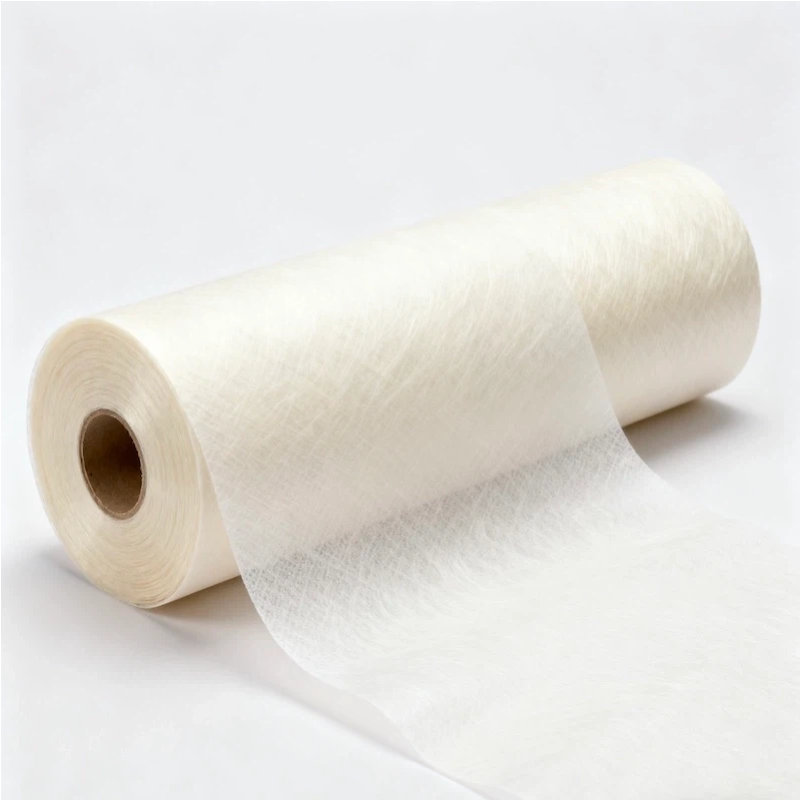
Durability is a central advantage of stitchbonded fabrics. The combination of strong fibers, precise stitching, and optimized web structure results in a material that withstands repeated stress and prolonged use. In applications such as reusable packaging or industrial liners, this durability translates into longer product lifespans and fewer replacements, supporting cost-efficiency and sustainability simultaneously.
Stitchbonded fabrics can be repaired when damaged without significant compromise to performance, unlike some laminated or coated textiles that require complete replacement. Minor tears or punctures can often be patched, maintaining the integrity of the material. This characteristic contributes to waste reduction and aligns with global sustainability trends emphasizing repair over disposal.
When stitchbonded fabrics reach the end of their usable life, they can be recycled back into polyester fibers or repurposed for secondary applications such as insulation, nonwoven mats, or composite reinforcements. This circular approach ensures that the environmental benefits of recycled materials extend beyond production, supporting a holistic sustainability strategy. By designing products with end-of-life considerations in mind, LEEBO helps brands and manufacturers achieve measurable reductions in material waste and environmental impact.
Stitchbonded fabrics are widely used in reusable shopping bags, tote bags, and promotional materials. Their high tensile strength allows these items to carry heavy loads without tearing, while the recycled content appeals to environmentally conscious consumers. Brands integrating stitchbonded fabrics into their products can communicate a clear commitment to sustainability, enhancing brand value and customer loyalty.
In furniture manufacturing and automotive interiors, stitchbonded fabric is frequently employed as backing material for upholstery. Its tear and abrasion resistance protect softer surfaces while adding structural reinforcement. By combining durability with recycled content, stitchbonded fabrics provide functional and environmental advantages, helping manufacturers meet both performance and sustainability criteria.
Industrial settings often require materials that withstand significant mechanical stress. Stitchbonded fabrics are ideal for protective liners, heavy-duty coverings, and construction materials that endure wear, impact, and abrasion. Their strong, stable structure ensures that products maintain integrity under demanding conditions while supporting sustainable material use.
With increasing pressure to reduce single-use plastics, stitchbonded fabrics offer a sustainable solution for packaging applications. Their durability allows for repeated use, while the high recycled content reduces reliance on virgin materials. From reusable shipping bags to eco-conscious packaging inserts, stitchbonded fabrics are helping companies transition to circular, low-impact product solutions.
LEEBO produces stitchbonded fabrics in a variety of weights, finishes, and recycled polyester ratios. We offer smooth, embossed, or coated surfaces, and our fabrics meet industry-standard certifications such as ISO and OEKO-TEX, ensuring both performance and safety. By providing multiple options, LEEBO enables designers and engineers to select the right fabric for each application, whether it requires flexibility, rigidity, or enhanced abrasion resistance.
Our fabrics are used in a wide array of industries, including home textiles, automotive interiors, construction, industrial protection, inner linings, and eco-friendly packaging. Each application benefits from the material’s combination of strength, durability, and sustainable composition. Companies that choose LEEBO’s stitchbonded fabrics gain both functional performance and a measurable contribution to environmental responsibility, supporting sustainable manufacturing and product design.
LEEBO not only delivers high-quality fabrics but also supports clients with technical guidance, datasheets, and samples. This collaborative approach ensures that stitchbonded fabrics meet specific requirements, helping designers, engineers, and procurement teams integrate sustainable materials seamlessly into their products.
Stitchbonded fabric from LEEBO is a compelling combination of sustainability and mechanical strength. By integrating high recycled polyester content with advanced stitchbonding technology, our fabrics deliver exceptional durability, versatility, and environmental benefits. From reusable bags and heavy-duty upholstery to industrial protection and eco-friendly packaging, stitchbonded fabrics provide solutions that align with both functional requirements and sustainability goals. For designers, procurement managers, and OEM specifiers seeking high-performance and environmentally responsible materials, LEEBO’s stitchbonded fabrics offer an ideal choice. Explore our product line, download technical datasheets, or request sample swatches to see how eco-friendly stitchbond fabrics can transform your products. Contact us today to start your journey toward sustainable and high-performance textile solutions.
Q1: What makes stitchbonded fabric different from woven or knitted fabrics?
A1: Stitchbonded fabric uses a mechanically stitched fiber web instead of interlaced yarns, creating a material with uniform strength, thickness, and tear resistance suitable for high-performance and sustainable applications.
Q2: What percentage of recycled material is typically used in stitchbonded fabrics?
A2: LEEBO’s stitchbonded fabrics contain 80–95% recycled polyester, helping reduce reliance on virgin materials and supporting waste diversion from landfills.
Q3: Which industries benefit most from stitchbonded fabrics?
A3: Industries such as home textiles, automotive interiors, industrial protection, construction, inner linings, and eco-packaging all benefit from the durability and sustainability of stitchbonded fabrics.
Q4: Can stitchbonded fabric be recycled at the end of its life?
A4: Yes, it can be recycled into new fibers or repurposed for secondary applications like insulation, nonwoven mats, or composite materials, supporting circular economy principles.


