
- All
- Product Name
- Product Keyword
- Product Model
- Product Summary
- Product Description
- Multi Field Search

Views: 169 Author: Site Editor Publish Time: 2026-04-18 Origin: Site
Have you ever wondered why some fabrics feel strong and structured, while others feel soft and lightweight? At first glance, they may look similar. However, the difference between woven fabric and nonwoven fabric is more important than it seems.
Many industries rely on these materials every day. We see them in clothing, filtration systems, and industrial products. Choosing the right one can improve performance and reduce costs. So, understanding how they differ helps us make better decisions. In this article, we will explore how woven fabric and nonwoven fabric are made. You will learn how they perform and where they are used. We will also show how companies like LEEBO continue to improve nonwoven solutions through innovation and efficient production.
Woven fabric is made by interlacing two sets of yarns—warp (vertical) and weft (horizontal)—at right angles. This creates a stable, grid-like structure that you can often see with the naked eye.
Because of this interlocking pattern, woven materials tend to be strong and reliable. Common examples include cotton shirts, denim, and even specialized materials like Fiberglass Woven Cloth, which is widely used in construction and insulation due to its strength and heat resistance.
Nonwoven fabric is created differently. Instead of weaving yarns, manufacturers bond fibers together using heat, chemicals, or mechanical force.
This method removes the need for traditional looms. It also allows faster production and more flexibility in designing fabric properties. As a result, nonwoven materials are widely used in disposable or functional products such as masks, wipes, and filters.
The biggest difference lies in structure.
● Woven fabric has an organized, repeatable pattern
● Nonwoven fabric has a random fiber arrangement
This structural difference directly affects how the material performs under stress, how it feels, and how it behaves during use.
You can often identify the fabric type just by looking at it. Woven materials show clear patterns formed by yarn intersections, which create visible lines or grids across the surface. These patterns often reflect the weave style, such as plain or twill. Nonwoven materials, in contrast, look more uniform or slightly fuzzy because fibers are distributed randomly. Their surface may appear flat, soft, or fibrous, depending on the production method used.
Feature | Woven Fabric | Nonwoven Fabric |
Structure | Interlaced yarns | Bonded fibers |
Strength | High | Moderate to functional |
Appearance | Patterned | Uniform or fibrous |
Production Speed | Slower | Faster |
Common Use | Apparel, upholstery | Medical, filtration |
This comparison helps you quickly understand how each fabric behaves in real applications. It also makes it easier to match the material to your specific performance needs.
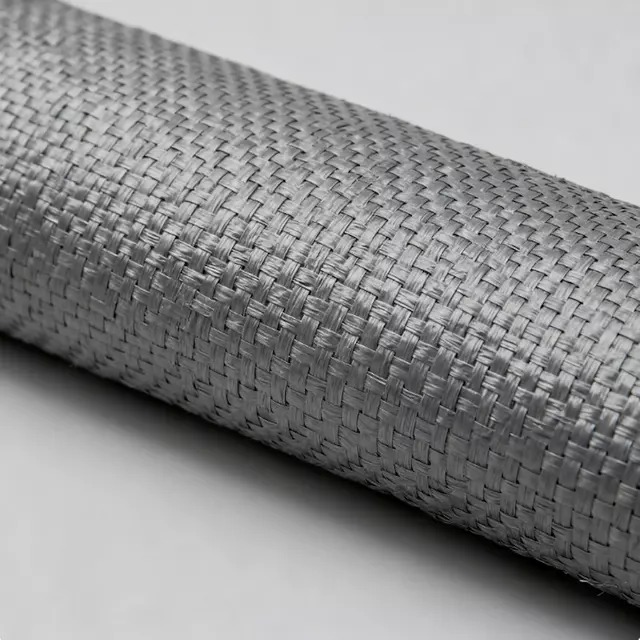
Woven fabrics are produced on looms. Yarn is carefully interlaced to create specific patterns such as plain weave, twill, or satin. This process allows precise control over thickness, density, and design. It also supports advanced materials like Fiberglass Woven Cloth, where consistent structure is critical for performance in high-temperature or structural environments.
Nonwoven fabrics are made by bonding fibers directly. This can happen through thermal bonding, chemical adhesives, or mechanical entanglement. Because there is no weaving step, production is faster and easier to scale. This makes nonwoven materials ideal for high-volume applications.
Several methods are widely used in the industry:
● Spunbond: continuous filaments bonded together
● Meltblown: ultra-fine fibers for filtration
● Needle punching: fibers entangled using barbed needles
● Chemical bonding: fibers bonded using adhesives
Each method creates different properties, allowing manufacturers to tailor the material to specific needs.
Companies like LEEBO have focused on nonwoven production for years, especially in stitchbond fabrics. They have expanded their capabilities through research, improved equipment, and new facilities.
Their modern production sites are designed for efficiency and sustainability. By using recycled polyester and energy-saving processes, they support both performance and environmental goals.
Tip: When sourcing nonwoven materials, ask about production methods and certifications. They often indicate consistency, quality, and environmental compliance.
The interlocking structure of woven fabric provides excellent strength. It resists tearing and maintains its shape over time, even under repeated use. This stability makes it reliable for both everyday and demanding environments. That is why woven textiles are used in applications ranging from clothing to industrial reinforcement. Materials like Fiberglass Woven Cloth further enhance this strength, offering durability in extreme environments where heat and stress are constant factors.
Nonwoven materials are designed for function rather than structure. They can be engineered for absorbency, filtration, insulation, or softness, depending on the production method. This flexibility allows manufacturers to create materials tailored to specific needs. For example, meltblown nonwoven fabric is widely used in masks because it captures fine particles efficiently. This level of customization makes nonwoven fabric highly versatile across industries.
When handling fabrics in production or cutting processes, edge behavior becomes an important factor. The way a material reacts after cutting can affect efficiency, finishing steps, and overall usability.
Aspect | Woven Fabric | Nonwoven Fabric |
Edge Condition | Edges may fray after cutting | Edges remain stable and intact |
Reason | Yarns can loosen from the woven structure | Fibers are bonded together |
Processing Impact | May require additional finishing steps | Easier for automated processing |
Production Efficiency | Slightly lower due to edge treatment | Higher due to clean edge behavior |
This difference makes nonwoven fabric more convenient in high-speed production environments, while woven fabric may need extra handling to maintain edge quality.
Woven fabrics often feel structured and supportive. They hold shape well and provide a defined drape, which is useful in garments and upholstery. Their stability also gives them a more tailored appearance. Nonwoven fabrics are lighter and more flexible. They adapt easily to different forms, which is useful in products that require softness or close contact with the skin. This contrast highlights how each material serves different comfort needs.
Woven materials are widely used in:
● Clothing such as shirts, jeans, and jackets
● Home textiles like curtains and upholstery
● Industrial uses including reinforcement fabrics
High-performance variants, including Fiberglass Woven Cloth, are also used in construction, aerospace, and insulation systems.
Nonwoven materials are essential in:
● Medical products like masks and surgical gowns
● Hygiene items such as wipes and diapers
● Filtration systems for air and liquids
Their ability to deliver specific functions makes them ideal for specialized industries.
When identifying fabric types, visual inspection is one of the simplest and most direct methods. By observing the surface carefully under good lighting, you can quickly notice structural differences.
Aspect | Woven Fabric | Nonwoven Fabric |
Surface Pattern | Shows grid, lines, or repeating patterns | Lacks visible pattern, appears uniform |
Structure Clarity | Interlaced yarns create clear visual structure | Random fiber arrangement with no defined pattern |
Appearance Detail | Patterns become more obvious under close observation | May look slightly fibrous or smooth depending on type |
Identification Ease | Easier to recognize once familiar with weave patterns | Identified by absence of structured design |
These visual cues make it easier to distinguish materials quickly, especially during inspection or sourcing processes.
Run your fingers gently across the surface. Woven fabric often has slight bumps where yarns intersect, giving it a textured feel. This texture may vary depending on the weave type. Nonwoven fabric feels more consistent across the surface. Depending on how it is made, it may feel soft, smooth, or slightly fuzzy, but without noticeable intersections.
Cut a small piece if possible and observe the edges carefully. Woven fabric edges may unravel because the yarns can loosen when cut. This is a common behavior in most woven textiles. Nonwoven fabric edges remain cleaner because fibers are bonded together, which helps maintain their shape during handling.
Note: This simple edge test is one of the fastest and most reliable ways to distinguish between the two materials in real situations.
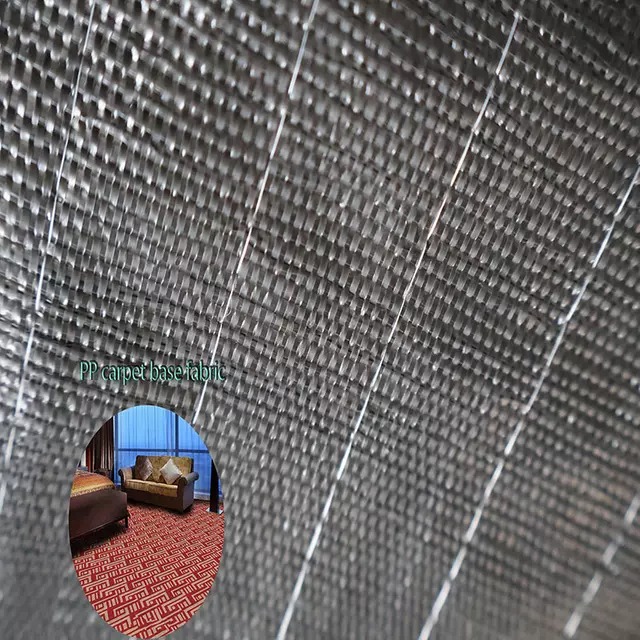
If your application requires long-term use, woven fabric is often the better choice. It provides strong structural support and maintains its shape over time, even under repeated stress. This makes it suitable for products that need reliability and extended service life, such as upholstery, garments, or reinforcement materials.
If the goal is filtration, absorbency, or hygiene, nonwoven fabric performs better. It can be engineered to meet very specific functional needs, such as particle capture or liquid resistance. This makes it ideal for medical, industrial, and disposable applications where performance is more important than structure.
Nonwoven fabric is ideal for large-scale production. It reduces manufacturing time and cost because it avoids complex weaving processes. This efficiency is especially valuable for disposable products or industries that require high output and consistent quality.
Sustainability is becoming more important in material selection. Many manufacturers now use recycled fibers and energy-efficient processes to reduce environmental impact. Companies like LEEBO are leading this shift by integrating recycled materials while maintaining strong performance standards. This approach supports both environmental goals and modern industrial demands.
The difference between woven fabric and nonwoven fabric mainly lies in how they are made and how they perform. Woven fabric uses interlaced yarns, which creates strong structure and long-lasting stability. Nonwoven fabric relies on bonded fibers, giving it flexibility and efficient production for functional uses.
Each material fits different needs. Woven fabrics work well in durable applications, while nonwoven fabrics support filtration, hygiene, and large-scale manufacturing. Choosing the right one depends on performance goals and end use. Companies like LEEBO Environmental Protection Materials Co., Ltd. provide advanced nonwoven solutions through modern production and sustainable materials. Their products offer reliable performance, consistent quality, and practical value across industries.
A: The key difference lies in structure. Woven fabric uses interlaced yarns, which create strength and stability. Nonwoven fabric uses bonded fibers, making it more flexible and efficient for functional uses.
A: You can look for a visible pattern formed by yarn intersections. Woven fabric usually shows a grid or texture, while nonwoven materials appear more uniform and lack a clear structure.
A: Woven fabric gains strength from its interlocking yarn structure. This design helps it resist tearing and deformation, making it suitable for long-term and heavy-duty applications like Fiberglass Woven Cloth.
A: Woven fabric is widely used in clothing, upholstery, and industrial materials. Fiberglass Woven Cloth is often used in construction and insulation because it offers high strength and heat resistance.
A: You should choose nonwoven fabric when you need filtration, absorbency, or cost-efficient production. Woven fabric is better when durability and structure are more important.
A: In many cases, woven fabric costs more due to its complex weaving process. Nonwoven fabric is usually more affordable because it can be produced faster and in larger volumes.


