
- All
- Product Name
- Product Keyword
- Product Model
- Product Summary
- Product Description
- Multi Field Search

Views: 157 Author: Site Editor Publish Time: 2026-04-04 Origin: Site
Is polyester fiber waterproof, or does it only resist water? Many people assume it keeps everything dry, yet the reality is more nuanced. This question often comes up when choosing outdoor cushions, protective covers, or materials like Coarse Denier Nonwoven Fabric. Understanding how polyester fiber reacts to water helps avoid costly mistakes.
Polyester fiber is known for strength, flexibility, and low moisture absorption. Still, its performance in wet conditions depends on structure and treatment. Some fabrics repel light rain, while others block water completely through coatings or lamination. In this article, you will learn how polyester fiber interacts with water. We will explore the difference between water-resistant and waterproof, and explain how processing methods change performance. By the end, you can choose the right material for your specific needs.
Polyester fiber is naturally water-resistant, not fully waterproof. This means it can repel water to a certain degree but cannot completely block it under pressure or prolonged exposure. Its structure plays a key role. Polyester fibers are dense and hydrophobic, meaning they do not absorb water easily. Unlike cotton, which soaks up moisture, polyester fiber keeps water on the surface. This is why it feels dry quickly even after exposure.
In industrial applications such as Coarse Denier Nonwoven Fabric, this property becomes even more valuable. The thicker fibers and compact bonding improve resistance to moisture, making the material suitable for outdoor and protective uses.
When polyester fiber is exposed to light rain, water droplets tend to bead up and roll off the surface. This effect is often visible on outdoor cushions or jackets made from untreated polyester. However, if the rain continues or pressure increases, water will eventually pass through. This happens because the fabric is woven or bonded, leaving microscopic gaps between fibers.
In materials like Stitchbonded Fabric, the stitching pattern enhances structural integrity while still allowing some airflow. This balance supports water resistance but does not create a fully sealed barrier.
Understanding the difference helps avoid wrong expectations. Many users assume all polyester fiber is waterproof, which is not true.
Feature | Water-Resistant Polyester Fiber | Waterproof Polyester Fiber |
Water protection | Partial | Complete |
Duration | Short-term exposure | Long-term protection |
Structure | Untreated or lightly finished | Coated or laminated |
Typical use | Cushions, clothing | Rain gear, covers |
Water-resistant materials handle light rain easily. Waterproof ones handle pressure and heavy conditions. The choice depends on how the product will be used.
One of the biggest advantages of polyester fiber is its quick-drying ability. Since it absorbs very little water, moisture remains on the surface instead of penetrating the fiber.
This allows water to evaporate faster compared to natural materials. It also reduces the risk of mold or mildew in humid conditions.
In outdoor products, this feature improves usability. Cushions, covers, and fabrics return to a dry state quickly, which extends their lifespan and maintains comfort.
The way polyester fiber is processed has a direct impact on its water performance.
● Tight weaves reduce gaps and improve resistance
● Higher yarn density increases protection
● Bonding techniques influence durability and permeability
For example, stitchbond technology used by manufacturers like LEEBO enhances fabric stability while maintaining flexibility. This method strengthens the material structure and improves water repellency without sacrificing breathability.
Tip: When evaluating polyester products, always check both the fiber type and construction method. These factors often matter more than the raw material itself.
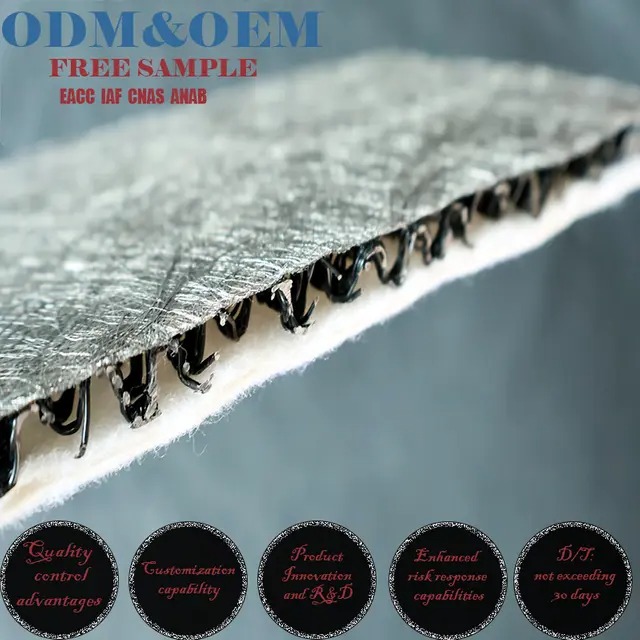
To make polyester fiber waterproof, coatings are applied to the surface. These coatings act like a shield. They block water from entering the fabric.
Common coating types include:
● PU (polyurethane): Flexible and widely used in outdoor fabrics. It creates a smooth barrier that repels water effectively.
● PVC (polyvinyl chloride): Heavier and more rigid. It offers strong waterproof protection for industrial uses.
● DWR (durable water repellent): Helps water bead and roll off quickly. It works well for light protection.
Each coating changes how polyester fiber performs. It also affects weight, flexibility, and durability.
Another effective method is lamination. This process bonds a waterproof membrane to the polyester fabric, forming a barrier that blocks water completely. Laminated polyester fiber is commonly used in rain jackets, tents, and high-performance covers. It combines durability with strong water protection.
In advanced production environments, companies like LEEBO use upgraded equipment and optimized processes to ensure consistent lamination quality. This ensures that every layer performs reliably under demanding conditions.
Hydrostatic head is the standard measurement for waterproof performance. It indicates how much water pressure a fabric can withstand before leaking.
Hydrostatic Head (mm) | Performance Level |
0–1,000 | Water-resistant |
1,000–5,000 | Moderate protection |
5,000–10,000+ | Fully waterproof |
A polyester fabric with a rating above 10,000 mm can handle heavy rain and pressure. This makes it suitable for outdoor furniture, protective covers, and industrial applications.
Polyester fiber naturally resists moisture due to its hydrophobic structure. Water does not easily penetrate the fiber, which helps maintain dryness and comfort. This property makes it ideal for applications where exposure to moisture is frequent but not extreme. It also reduces the need for constant maintenance.
Even when exposed to water, polyester fiber maintains its strength and shape. It does not shrink, stretch excessively, or degrade easily. This durability is especially important in products like Stitchbonded Fabric, where long-term performance is required. The combination of strong fibers and stable bonding ensures reliable use in outdoor and industrial environments.
While polyester fiber resists water, it can still allow air to pass through. This creates a balance between protection and comfort. In coated or laminated fabrics, breathability may decrease slightly. However, design features such as vents or layered structures help maintain airflow.
Note: When choosing waterproof polyester fiber, consider both protection and breathability. The right balance depends on how and where the material will be used.
Polyester fiber is widely used in outdoor cushions and furniture covers. Water-repellent coatings help protect against rain, spills, and humidity.
Manufacturers like LEEBO produce high-quality polyester-based fabrics that meet environmental standards while delivering consistent performance. Their materials are designed for long-term outdoor use, combining durability with ease of maintenance.
In rainwear, polyester fiber is often treated with coatings or laminations to achieve waterproof performance. This ensures protection in harsh weather conditions.
Sportswear also benefits from polyester’s quick-drying and lightweight properties. It helps maintain comfort during physical activity, even in wet environments.
Cotton absorbs water quickly and retains moisture, which can lead to discomfort and slower drying.Polyester fiber, in contrast, repels water and dries faster. This makes it more suitable for outdoor and performance applications.
Both polyester and nylon resist water, but they differ in performance. Polyester fiber offers better UV resistance and shape retention. Nylon provides more flexibility but may absorb slightly more moisture.
Material | Water Behavior | Strength Feature | Best Use Case |
Polyester | Repels water | UV resistance | Outdoor fabrics |
Nylon | Slight absorption | High elasticity | Lightweight gear |
Polyester fiber stands out due to its combination of durability, low maintenance, and water resistance. It performs well under exposure to sunlight, moisture, and repeated use.
These qualities make it a preferred material for outdoor furniture, protective covers, and industrial textiles.
Water-resistant polyester fiber works well for everyday applications. These include light outdoor use, indoor furnishings, and decorative fabrics. It handles occasional splashes, humidity, or brief rain exposure without issues. For products that are not exposed to constant moisture, this level of protection is usually enough. It also keeps costs lower since no additional coatings or complex treatments are required.
For heavy rain or demanding environments, waterproof polyester fiber is essential. Coated or laminated fabrics offer full protection and prevent water penetration. This becomes important for outdoor equipment, industrial covers, and long-term exposure scenarios. In these cases, the material must resist pressure and continuous moisture. Choosing waterproof options ensures better durability and reliable performance over time.
When selecting polyester fiber, focus on the following:
● Type of coating (PU, PVC, DWR)
● Lamination quality
● Hydrostatic head rating
● Fabric structure (woven, nonwoven, stitchbonded)
These factors work together to define how well the material performs in wet conditions and how long it will last.
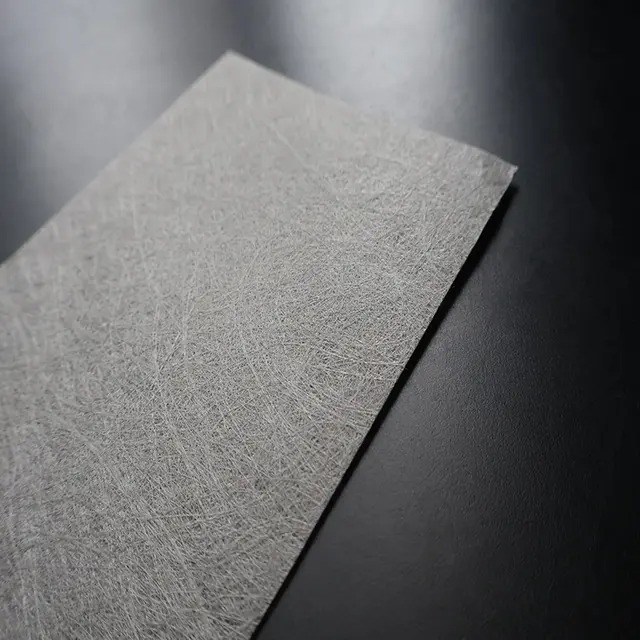
Polyester fiber is not naturally waterproof, yet it offers strong water resistance due to its dense structure and low moisture absorption. When enhanced through coatings or lamination, it can achieve full waterproof performance and handle demanding environments effectively. This flexibility makes it suitable for many applications, from Coarse Denier Nonwoven Fabric to Stitchbonded Fabric, where durability and moisture control are essential.
By understanding how polyester fiber is constructed and treated, we can select materials that match real usage needs. High-quality manufacturers such as LEEBO Environmental Protection Materials Co., Ltd. combine advanced production processes and reliable materials to deliver consistent performance. Their products provide long-lasting value, balancing strength, water protection, and environmental responsibility across various industries.
A: Polyester fiber is naturally water-resistant, not fully waterproof. It repels light moisture, but water can pass through over time unless coatings or lamination are applied.
A: Polyester fiber has a dense, hydrophobic structure. It does not absorb water easily, so moisture stays on the surface and evaporates quickly.
A: Yes, polyester fiber can become waterproof through coatings like PU or PVC, or by lamination. These treatments create a barrier that blocks water completely.
A: Stitchbonded Fabric strengthens polyester fiber structure through stitching. It improves durability and water resistance, though full waterproofing still requires coatings.
A: Yes, polyester fiber works well outdoors because it resists moisture, dries quickly, and maintains strength. It is widely used in Coarse Denier Nonwoven Fabric for durable outdoor use.
A: Polyester fiber repels water and dries fast, while cotton absorbs moisture and stays wet longer. This makes polyester better for outdoor and functional products.


