
- All
- Product Name
- Product Keyword
- Product Model
- Product Summary
- Product Description
- Multi Field Search

Views: 129 Author: Site Editor Publish Time: 2026-04-15 Origin: Site
Is polyester fiber fiberglass? Many people think they are the same. They often see both used in insulation or construction. This creates confusion during material selection. However, choosing the wrong one can affect safety and performance. In fact, polyester fiber and fiberglass are very different materials. They differ in composition, structure, and real-world use. Each one serves a specific purpose in industries like textiles, insulation, and engineering. This becomes even more important in products like Coarse Denier Nonwoven Fabric or Stitchbonded Fabric.
In this article, we will explain these differences clearly. You will learn how polyester fiber compares to fiberglass. We will also explore how to choose the right material for your project.
Polyester fiber is a synthetic material made from polyethylene terephthalate (PET), a type of plastic polymer. It is produced through chemical processes that transform raw petroleum-based materials into strong, flexible fibers.
This material is widely used across industries. You’ll find it in textiles, filtration systems, insulation products, and industrial fabrics like Coarse Denier Nonwoven Fabric and Stitchbonded Fabric. Its adaptability allows manufacturers to engineer different thicknesses, densities, and performance levels.
Because of its structure, polyester fiber offers a balance of durability and flexibility. It can be shaped, bonded, or layered depending on application needs.
Fiberglass is made from extremely fine strands of molten glass. During production, glass is heated to high temperatures and spun into fibers, which are then woven or combined into mats or composites.
This material is known for its strength and thermal resistance. It is often used in construction, automotive parts, and reinforced composites. Unlike polyester fiber, fiberglass is inorganic and rigid, making it suitable for load-bearing or high-temperature environments.
Its structure provides excellent dimensional stability, especially when exposed to heat.
The difference becomes clear when we compare their nature:
Aspect | Polyester Fiber | Fiberglass |
Material Type | Synthetic polymer | Inorganic glass |
Structure | Flexible and soft | Rigid and brittle |
Production | Chemical synthesis | High-temperature melting |
Handling | Safe and comfortable | May irritate skin |
These differences affect performance. Polyester fiber works better in flexible applications. Fiberglass performs better in structural or heat-heavy environments.
Although both materials appear in overlapping fields, they serve different purposes. For example, insulation panels may use either material, but the choice depends on performance needs such as flexibility, installation ease, or heat exposure.
Understanding this distinction helps avoid costly mistakes in product selection.
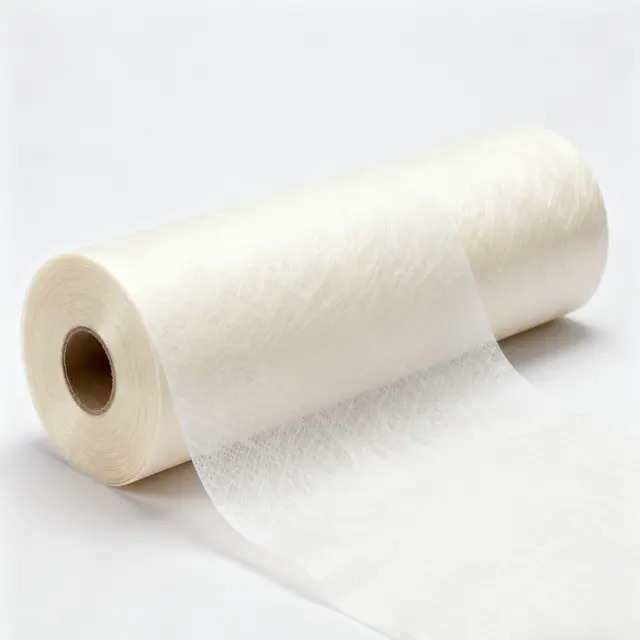
Polyester fiber stands out for its flexibility. It bends easily, returns to shape, and adapts to different forms without breaking. This makes it ideal for applications requiring movement or cushioning. In products like Stitchbonded Fabric, this flexibility allows for better handling and installation. It also improves performance in environments where materials must absorb vibration or adapt to irregular surfaces.
Because of this softness, polyester fiber is also safer and more comfortable to handle. It does not irritate skin, making it suitable for both industrial and consumer applications.
Fiberglass is known for its impressive tensile strength. It maintains its shape under pressure and resists deformation even in demanding conditions.
This rigidity makes it a preferred choice for structural reinforcement. In construction, fiberglass meshes strengthen concrete and plaster. In composites, it adds durability without excessive weight.
However, its stiffness means it lacks the flexibility seen in polyester fiber. It is designed to hold form rather than adapt.
Both materials perform well in insulation, but they behave differently under heat. Their performance depends on temperature range, structure, and application environment. Understanding these differences helps select the right material for specific conditions.
Aspect | Polyester Fiber | Fiberglass |
Thermal Behavior | Stable in typical environments | Performs well in extreme heat |
Heat Resistance Level | Moderate, suitable for buildings and HVAC | Very high, suitable for industrial use |
Structure Function | Traps air to reduce heat transfer | Maintains integrity under high temperatures |
Common Applications | Buildings, acoustic panels, HVAC systems | Industrial insulation, high-temperature environments |
Performance Stability | Consistent under normal conditions | Remains stable even in extreme heat |
This comparison shows how each material fits different environments. Choosing the right one depends on the temperature demands of your project.
Polyester fiber is widely used in textiles, padding, filtration, and insulation systems. Its flexibility and safety make it easy to install and maintain.
In industrial contexts, materials like Coarse Denier Nonwoven Fabric provide durability while maintaining breathability. Stitchbonded Fabric, often made from polyester fiber, offers strength combined with flexibility, making it suitable for geotextiles and reinforcement layers.
Manufacturers such as LEEBO have expanded the use of polyester fiber through continuous innovation. Their advanced production techniques improve performance while supporting large-scale industrial applications.
Fiberglass plays a major role in construction and composite manufacturing. It reinforces concrete, strengthens panels, and improves durability in demanding environments.
Its high strength and heat resistance make it ideal for structural applications. It is also used in automotive and marine industries where long-term stability is critical.
Unlike polyester fiber, fiberglass is not typically chosen for comfort or flexibility.
In some cases, both materials can be used for similar purposes. For example:
● Insulation batts
● Industrial mesh fabrics
● Filtration systems
The choice depends on the project’s requirements. Polyester fiber is preferred for flexibility and handling ease, while fiberglass is selected for strength and heat resistance.
Polyester fiber insulation performs well in controlling heat transfer. At similar thickness levels, it delivers thermal resistance comparable to traditional materials.
Its structure traps air pockets effectively, reducing heat flow. This makes it suitable for residential and commercial insulation systems.
It also maintains consistent performance over time, supporting energy efficiency in buildings.
One of the biggest advantages of polyester fiber is its ease of handling. It does not cause skin irritation or respiratory discomfort, unlike fiberglass.
Installers can work with it without heavy protective equipment. This improves efficiency and reduces installation time.
Manufacturers like LEEBO support this benefit by using high-quality polyester fiber and environmentally responsible production methods. Their focus on sustainable materials also aligns with modern building standards.
Note: Choosing insulation materials that are easy to handle can reduce labor costs and improve installation quality.
Polyester fiber mesh and fiberglass mesh differ significantly in structure.
Polyester mesh typically has a looser weave. This design improves flexibility and airflow, making it suitable for filtration and textile applications.
Fiberglass mesh features a tighter weave. This increases strength and durability, making it ideal for reinforcement tasks.
These structural differences influence how each material performs under stress and in different environments.
Polyester fiber offers good resistance to UV exposure and chemicals. It performs well in outdoor conditions where flexibility is needed.
Fiberglass, however, handles extreme heat and harsh environments more effectively. It maintains stability even under intense conditions.
Both materials resist moisture, but their performance varies depending on the application.
Polyester fiber is ideal when flexibility, comfort, and ease of handling are priorities. It works well in:
● Insulation systems
● Textile applications
● Filtration and nonwoven fabrics
It is especially useful in products like Stitchbonded Fabric, where strength and adaptability are both required.
Fiberglass is the better option for high-temperature or structural applications. It is commonly used in:
● Reinforced construction materials
● Industrial composites
● Heat-resistant systems
Its strength and stability make it reliable in demanding environments.
When choosing between polyester fiber and fiberglass, consider the following:
Factor | Polyester Fiber | Fiberglass |
Flexibility | High | Low |
Heat Resistance | Moderate | Very High |
Handling | Safe and comfortable | Requires protection |
Applications | Textiles, insulation | Construction, reinforcement |
Working with experienced suppliers like LEEBO can simplify this process. They offer customized polyester fiber solutions, including ODM and OEM services, helping match materials to specific project needs.
Tip: Always evaluate the working environment first—temperature and flexibility requirements usually determine the best material.
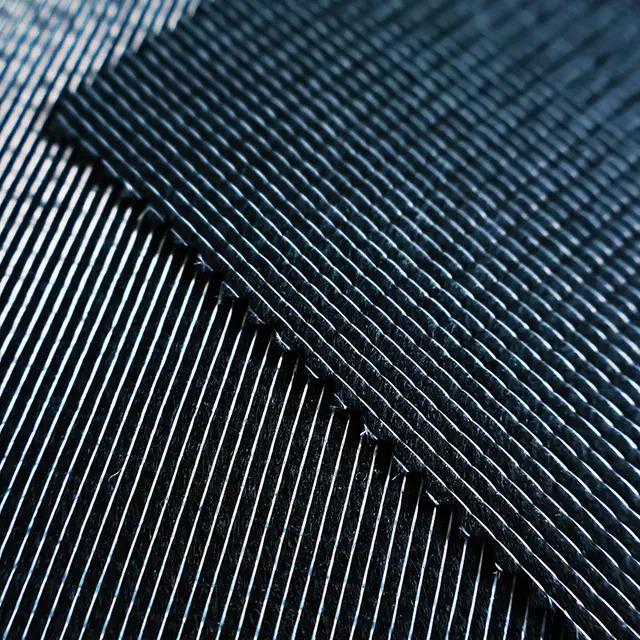
So, is polyester fiber fiberglass? The answer is clearly no. They are completely different materials in both structure and function. Polyester fiber is flexible, lightweight, and widely used in textiles, insulation, and nonwoven products. Fiberglass, on the other hand, is rigid and designed for strength and high-temperature resistance. Although they sometimes appear in similar applications, their roles are not the same. The right choice depends on what your project needs, such as flexibility, safety, or structural performance. Understanding these differences helps avoid costly mistakes and improves efficiency.
Companies like LEEBO Environmental Protection Materials Co., Ltd. provide advanced polyester fiber solutions, including Coarse Denier Nonwoven Fabric and Stitchbonded Fabric. Their products combine durability, flexibility, and eco-friendly performance, offering reliable value for modern industrial applications.
A: No, polyester fiber is not fiberglass. Polyester fiber is a synthetic polymer, while fiberglass is made from spun glass. They differ in flexibility, heat resistance, and application, even when used in materials like Stitchbonded Fabric.
A: Polyester fiber is widely used in textiles, insulation, and industrial fabrics. It is often found in Coarse Denier Nonwoven Fabric and Stitchbonded Fabric, where flexibility and durability are important.
A: Many confuse polyester fiber and fiberglass because both appear in insulation and construction. However, polyester fiber is softer and easier to handle, while fiberglass is rigid and heat-resistant.
A: Yes, polyester fiber is generally safe and non-irritating. Unlike fiberglass, it does not cause skin or respiratory discomfort, making it ideal for applications like nonwoven fabrics and insulation products.
A: Polyester fiber offers strong thermal performance by trapping air. It works well in building insulation and products like Coarse Denier Nonwoven Fabric, providing consistent energy efficiency.
A: Polyester fiber is better for flexible uses. It adapts easily and is commonly used in Stitchbonded Fabric, while fiberglass is better suited for rigid, structural applications.


