
- All
- Product Name
- Product Keyword
- Product Model
- Product Summary
- Product Description
- Multi Field Search

Views: 148 Author: Site Editor Publish Time: 2026-04-10 Origin: Site
Have you ever wondered if polyester fiber is natural or synthetic? Many people assume it comes from nature, just like cotton or wool. Others think it is fully artificial. This confusion is common, especially as more buyers focus on sustainability and material performance. Polyester fiber is one of the most widely used materials today. It appears in clothing, furniture, and industrial products like Coarse Denier Nonwoven Fabric and Stitchbonded Fabric. Its strength and flexibility make it a popular choice across many industries.
In this article, we will explore what polyester fiber really is. You will learn how it is made, how it compares to natural fibers, and why companies like LEEBO continue to improve its applications.
To answer the question clearly, we first need to separate two categories. Natural fibers come directly from nature. Cotton grows from plants, wool comes from sheep, and silk is produced by insects. These materials require limited processing before use.
Synthetic fibers follow a different path. They are created through chemical reactions in controlled environments. Engineers design their structure, strength, and texture from the start. This gives them predictable performance across different uses.
Key Differences at a Glance
Feature | Natural Fibers | Synthetic Fibers (Polyester Fiber) |
Source | Plants or animals | Petrochemical-based materials |
Processing | Minimal | Chemically engineered |
Consistency | Variable | Highly consistent |
Scalability | Limited by nature | Industrial-scale production |
Polyester fiber is clearly classified as a synthetic fiber. It is not harvested or extracted from nature. Instead, it is produced through chemical reactions involving petroleum-based raw materials. The process combines substances like ethylene glycol and terephthalic acid to create polymers. These polymers are then melted and spun into fibers. This transformation from liquid chemical compounds into solid fibers defines polyester as a man-made material.
Because of this engineered origin, polyester fiber offers consistency in quality and performance that natural fibers often cannot match.
At the molecular level, polyester fiber is typically made from polyethylene terephthalate (PET). This is the same material used in many plastic bottles. The structure consists of long, repeating polymer chains, which give the fiber strength and flexibility.
Once formed, these polymers are extruded through spinnerets to create fine filaments. These filaments can then be cut into staple fibers or used as continuous filaments depending on the application. This controlled structure allows manufacturers to tailor properties such as thickness, strength, and texture—making polyester fiber highly adaptable.
The classification of fibers depends largely on how they are made. Natural fibers are minimally processed after harvesting. Synthetic fibers like polyester are built from the ground up through industrial processes.
This difference explains why polyester fiber behaves differently in real-world use. It resists stretching, maintains shape, and offers consistent performance across batches.
Understanding this manufacturing foundation helps buyers and engineers choose the right material for specific needs, whether for clothing, filtration, or industrial fabrics.
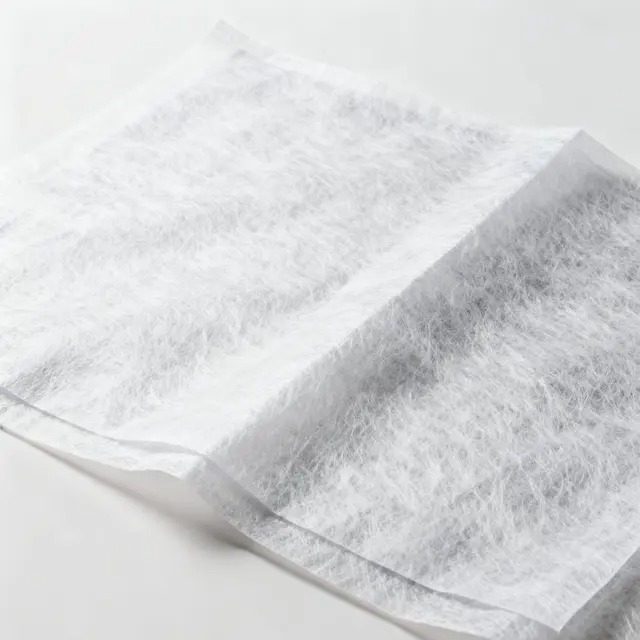
Polyester fiber production begins with carefully selected raw materials. Traditionally, these materials come from petrochemical sources, but modern manufacturing increasingly incorporates recycled inputs. This shift helps maintain performance while improving resource efficiency.
Material Type | Source | Applications |
Virgin Materials | Petroleum | Textiles, industrial polyester fiber |
Recycled Polyester (rPET) | Plastic bottles | Apparel, nonwoven fabrics |
Recycled Waste | Plastic and textile scraps | Stitchbonded Fabric, industrial use |
The core of polyester production lies in polymerization. In this step, ethylene glycol reacts with terephthalic acid under controlled heat and pressure. This reaction forms long-chain polymers. These polymers are the building blocks of polyester fiber. The length and structure of these chains directly influence the strength, elasticity, and durability of the final product.
This step requires precision. Small changes in temperature or composition can affect the entire fiber’s performance.
Once polymers are formed, they are melted and pushed through fine holes in a spinneret. This process, known as melt spinning, creates continuous filaments. These filaments can be used directly or cut into staple polyester fiber. Staple fibers are often used in products like Coarse Denier Nonwoven Fabric, where thickness and strength are important. Modern production facilities, including those used by companies like LEEBO, use advanced equipment to ensure efficiency, uniformity, and high-quality output across large volumes.
Tip: When selecting suppliers, prioritize those with advanced spinning and recycling capabilities to ensure consistent fiber quality for industrial applications.
When comparing polyester fiber and natural fibers, their origin creates clear differences. This affects how they are produced, supplied, and used across industries.
Aspect | Polyester Fiber | Natural Fibers |
Origin | Synthetic, chemically engineered | Plants or animals |
Production | Controlled industrial process | Agriculture and farming dependent |
Availability | Year-round, stable supply | Seasonal, affected by climate |
Scalability | Easily scalable | Limited by natural resources |
Supply Stability | Highly consistent | Variable due to external factors |
Polyester fiber is known for its durability. It resists abrasion, stretching, and shrinking. It maintains its shape even after repeated use and washing.
Natural fibers, while comfortable, tend to wear out faster. They may lose shape or strength over time.
This makes polyester fiber ideal for applications where long-term performance is essential, such as industrial textiles and automotive materials.
Polyester fiber is hydrophobic, meaning it repels water. It dries quickly and resists mold and mildew. This property makes it suitable for outdoor gear and technical fabrics.
Natural fibers absorb moisture. While this can feel comfortable, it often leads to slower drying times and higher maintenance requirements.
In environments where moisture control matters, polyester offers clear advantages.
Polyester fiber benefits from large-scale manufacturing. It can be produced efficiently and consistently, which lowers overall cost.
Natural fibers require more labor, land, and time. This often results in higher production costs and less predictable pricing.
For manufacturers balancing cost and performance, polyester fiber provides a practical solution.
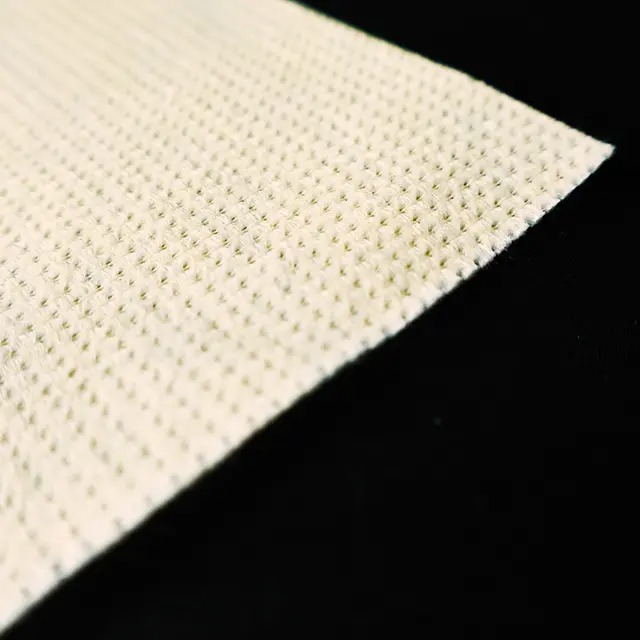
Polyester fiber is used in a wide range of industries. It appears in clothing, home textiles, automotive interiors, filtration systems, and industrial fabrics.
In technical fields, it plays a key role in materials like Stitchbonded Fabric and Coarse Denier Nonwoven Fabric. These materials rely on polyester’s strength and consistency to perform under demanding conditions.
One of polyester’s biggest strengths is its engineered performance. It resists wrinkles, holds color well, and maintains its structure over time. These properties reduce maintenance and extend product life. For industries focused on reliability, this is a major benefit.
Polyester fiber is often blended with other materials such as cotton or viscose. This enhances both comfort and durability. Manufacturers like LEEBO support this flexibility by offering OEM and ODM solutions. They help clients develop customized materials for specific applications, from fashion textiles to industrial fabrics.
Modern polyester fiber continues to evolve through innovation. New developments focus on improving sustainability and enhancing performance for both consumer and industrial applications.
Innovation Type | Description | Key Benefits | Common Uses |
Recycled Polyester Fiber (rPET) | Made from recycled PET bottles and plastic waste | Reduces waste, lowers energy use, supports reuse | Apparel, nonwoven fabrics, industrial use |
Functional Polyester Fabrics | Engineered for moisture control, breathability, and temperature regulation | Improves comfort and performance | Sportswear, outdoor gear, technical textiles |
These innovations show how polyester fiber adapts to modern demands. They help balance performance needs while supporting more efficient and responsible production systems.
One often overlooked benefit of polyester fiber is its long lifespan. Products made from polyester tend to last longer, even under frequent use and washing. This reduces the need for constant replacement in both consumer and industrial settings. Over time, fewer replacements mean less raw material consumption and lower overall production demand. As a result, durability becomes an important factor in improving long-term sustainability and reducing waste across supply chains.
Polyester is thermoplastic, which means it can be melted and reshaped multiple times without losing core properties. This enables closed-loop recycling systems, where used polyester products are collected and processed into new fibers. In these systems, materials can be reused repeatedly while maintaining consistent performance. This recycling capability supports circular production models and helps industries move toward more efficient and resource-conscious manufacturing practices.
The industry is moving toward more sustainable practices. Recycled polyester is becoming more common, and manufacturers are adopting energy-efficient technologies.
Companies like LEEBO emphasize environmentally responsible production, including certified processes and waste reduction strategies.
Note: When evaluating sustainability, consider both recycled content and product lifespan rather than focusing on raw material origin alone.
Polyester fiber is a synthetic fiber created through chemical processes, not natural sources. This origin gives it strong performance, stable quality, and wide usability across industries. It supports applications from daily clothing to advanced materials like Stitchbonded Fabric and Coarse Denier Nonwoven Fabric. Its durability and efficiency help reduce long-term costs while maintaining reliable results.
With ongoing innovation, polyester fiber now includes recycled options and improved production methods. Companies such as LEEBO Environmental Protection Materials Co., Ltd. provide high-quality polyester solutions, combining advanced technology, consistent production, and environmentally responsible practices. Their products offer strong value by delivering durability, flexibility, and efficiency for both textile and industrial applications.
A: Polyester fiber is a synthetic material made through chemical processes. It does not come from plants or animals, which is why it is classified as man-made.
A: Polyester fiber is engineered for strength and consistency, while natural fibers vary in quality. It resists wear better and works well in products like Stitchbonded Fabric.
A: Polyester fiber offers durability, stability, and cost efficiency. These features make it ideal for applications such as Coarse Denier Nonwoven Fabric and other industrial materials.
A: Yes, polyester fiber can be recycled into new materials like rPET. This helps reduce waste while maintaining performance in textiles and nonwoven products.
A: Polyester fiber performs well in technical fabrics because it resists moisture and maintains strength. It is commonly used in Stitchbonded Fabric for demanding environments.
A: Polyester fiber can be produced at scale with consistent quality. This reduces production costs and makes it a reliable option for both textile and industrial uses.


